
Journey
Price Transparency
A garment's price is made of more layers than its shop tag shows. Here is where the money typically goes, and the layers that make up the price of a shirt.
What a shirt's price is made of
An illustration of how a T-shirt's retail price typically splits between the retailer, the brand, materials and transport. The exact split moves with the market and the piece; the source is in the citation below.
- Retailer60%
- Brand profit12%
- Materials12%
- Transport8%
The source lists these components only. Other components are not shown here.
See the numbers as a table
| Component | Share of the retail price |
|---|---|
| Retailer | 60% |
| Brand profit | 12% |
| Materials | 12% |
| Transport | 8% |
In a widely cited breakdown of a T-shirt's retail price, about 60% of the price went to the retailer, 12% to brand profit, 12% to materials and 8% to transport. FACT Statista, citing Clean Clothes Campaign, 22 May 2025 (opens in a new tab)
In the same breakdown, under 1% of the price went to factory workers. FACT Statista, citing Clean Clothes Campaign, 22 May 2025 (opens in a new tab)
Last updated:
- Fabric
- Making (cutting and stitching)
- Finishing
- Packaging
- Shipping
- RTO and returns
- Platform and payment fees
- GST
- Margin
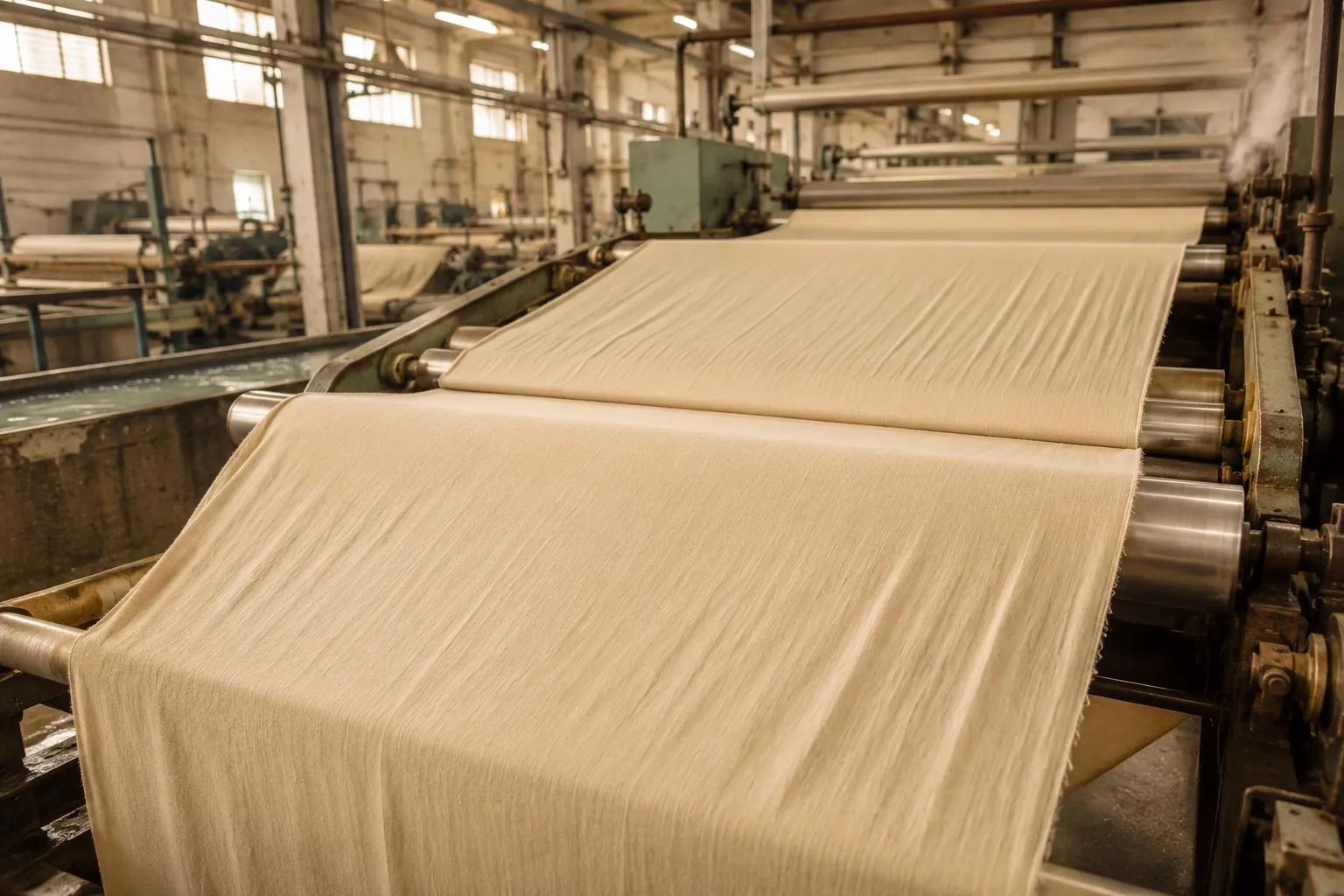
- FabricThe cloth itself: the fibre, the yarn spun from it, and the weaving or knitting that turns yarn into cloth, priced by the metre.
- Making (cutting and stitching)Cutting the fabric to pattern, sewing every seam, and checking each piece for fit and finish before it leaves the workshop.
- FinishingWashing, pressing, trims like buttons and labels, and the final quality check that gets a piece ready to pack and sell.
- PackagingThe bag, box or mailer that protects the piece in transit, plus any tags, tissue or inserts packed in with it.
- ShippingMoving the piece from the workshop or warehouse to the courier, and from the courier to your door.
- RTO and returnsThe cost of parcels that are undelivered, refused or sent back, including return shipping and re-checking the piece.
- Platform and payment feesThe commission a sales platform charges per order, plus the fee a payment gateway takes to process the payment.
- GSTThe Goods and Services Tax added to a sale at the rate the government sets for the category; see the note below.
- MarginWhat is left after every other layer is paid for; it funds the next season's fabric and keeps the studio running.
Our aim, not a promise yet: a real cost breakdown for every piece, once pricing is settled.
Readymade garments priced up to ₹2,500 per piece attract 5% GST; above ₹2,500 per piece, 18%. FACT PIB, September 2025 (opens in a new tab)
Last updated: