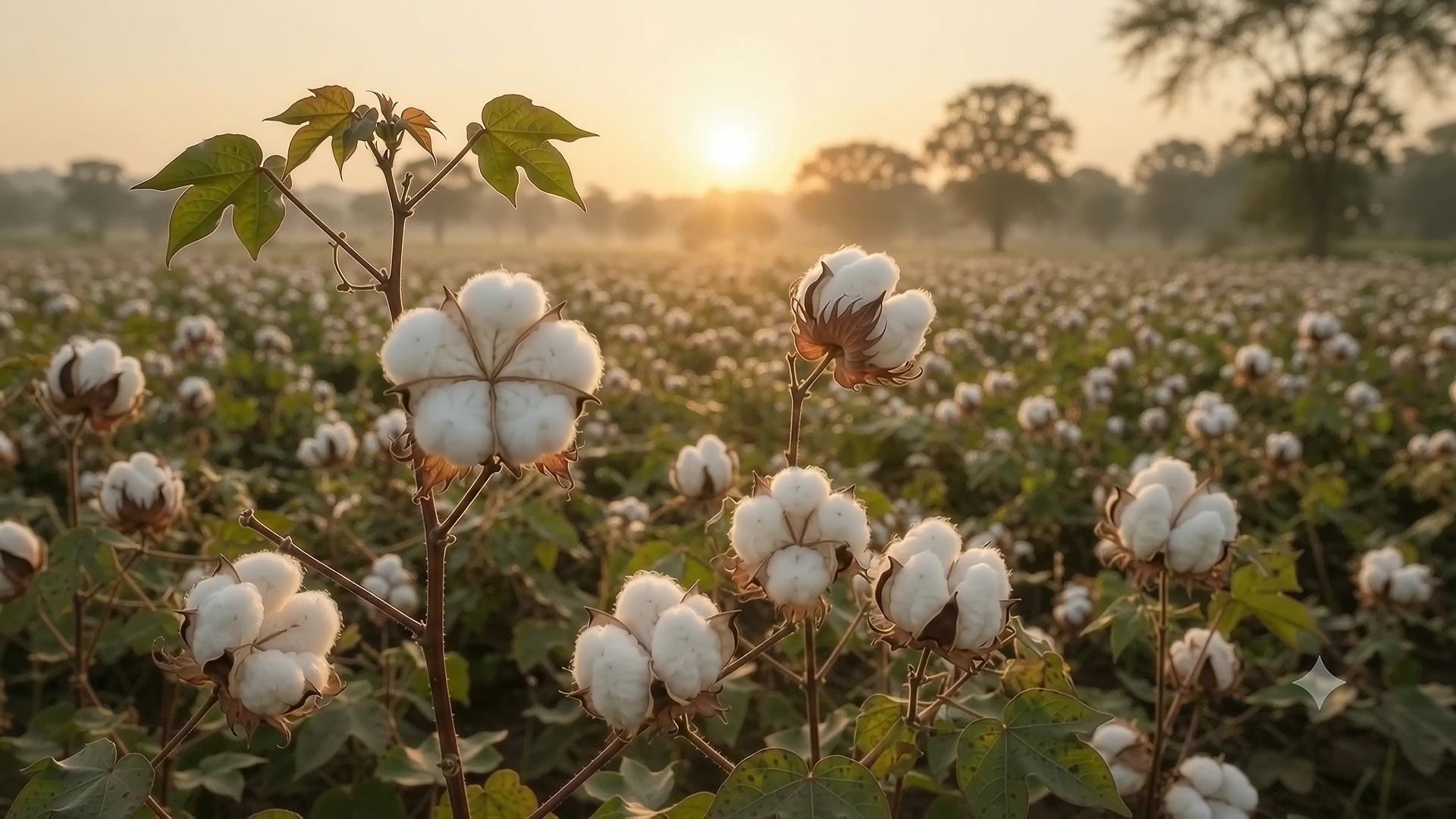
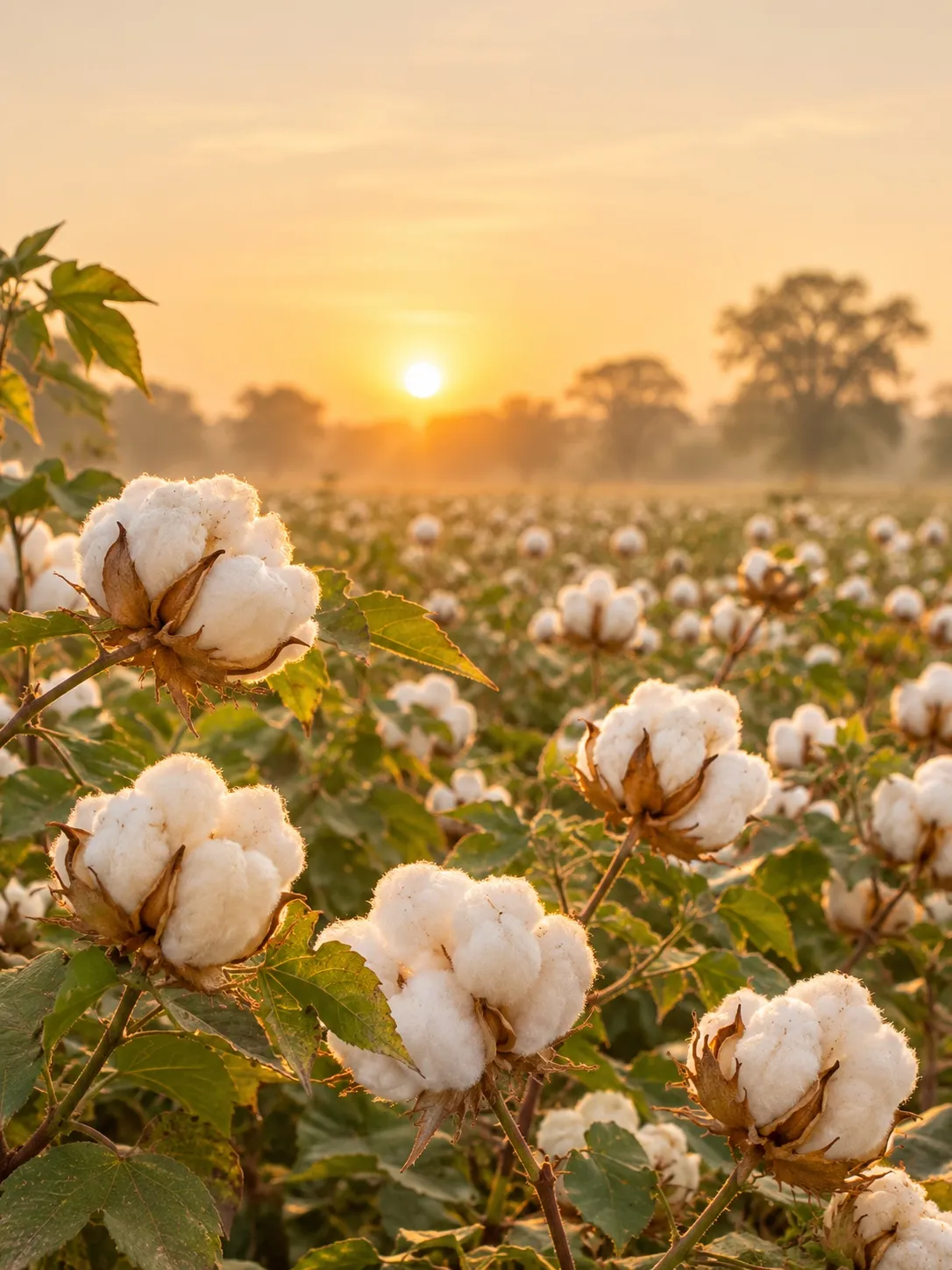
Cotton field at sunrise

MoolResha

Why does a simple cotton shirt cost so much? We traced it.

Explore the journey from fibre to fabric to something you wear.

Explore the designs

Share your view early — founding supporters get first access and a launch perk.

From a field to a finished thread.

Follow a fibre through the people, processes and places that turn it into a garment. Scroll or swipe along the row to see each stage.

  1. Cotton plants with open white bolls in a field
    Cotton field

    Cotton in India is grown mainly in Gujarat, Maharashtra, Telangana, Madhya Pradesh and Karnataka. It is a kharif crop, sown with the monsoon and picked by hand from the open bolls between October and February. MoolResha estimate

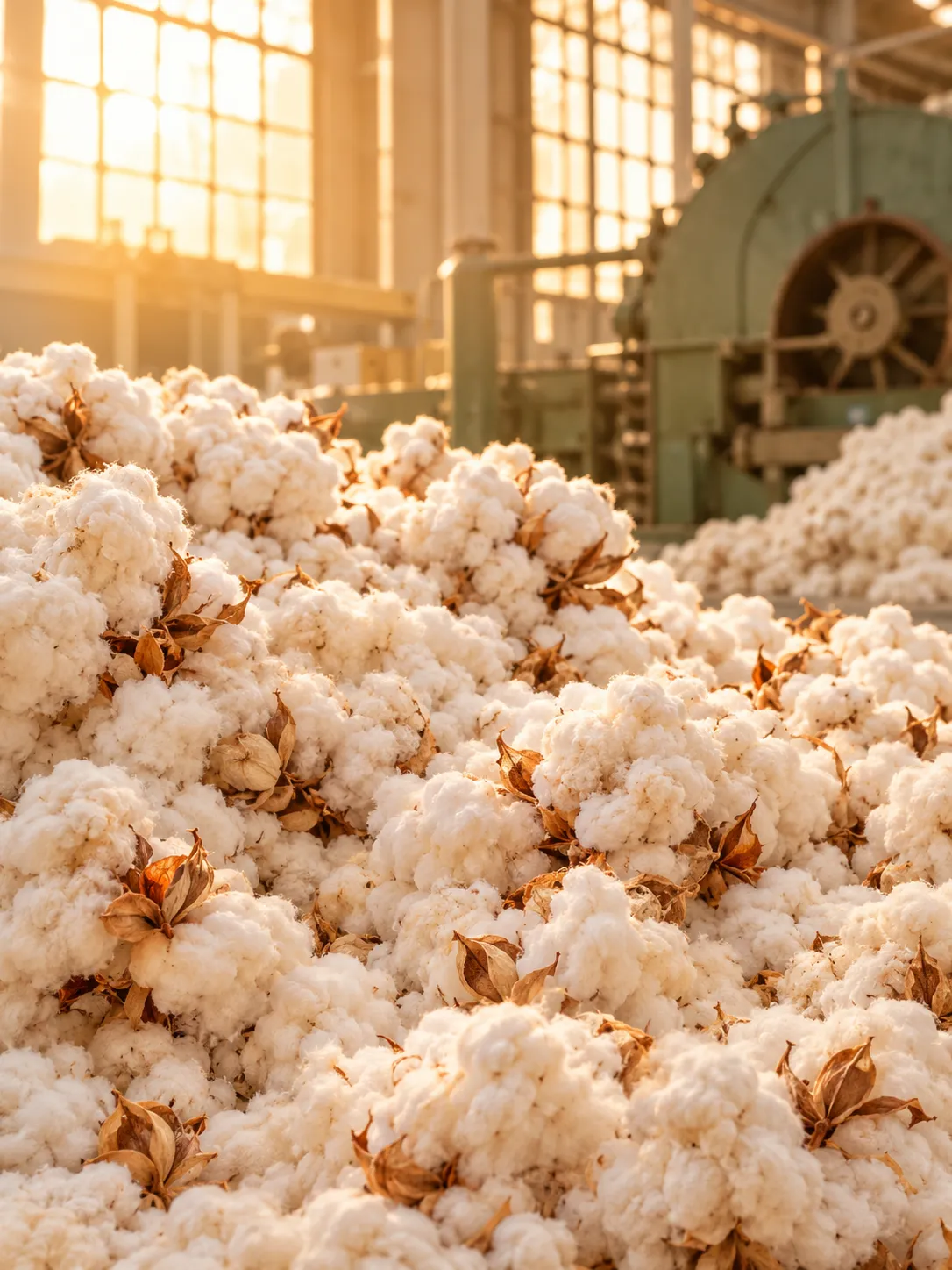
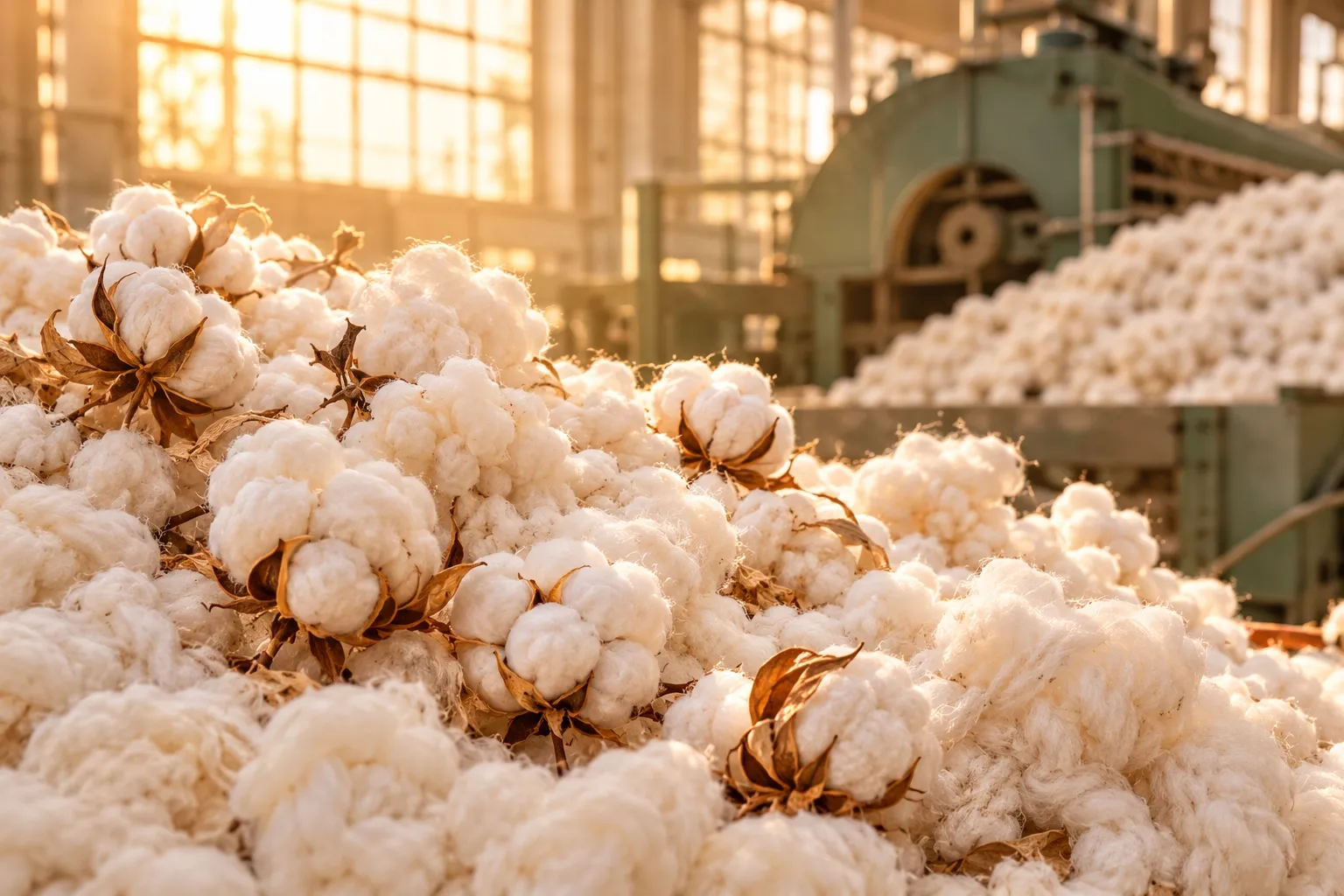
  2. Heaps of raw cotton with dry husks inside a ginning hall
    Ginning

    Ginning is the first step after harvest: raw seed cotton is fed through a gin that pulls the fibre (lint) away from the seed. The lint goes on to spinning; the seed is pressed separately for cottonseed oil and meal. MoolResha estimate

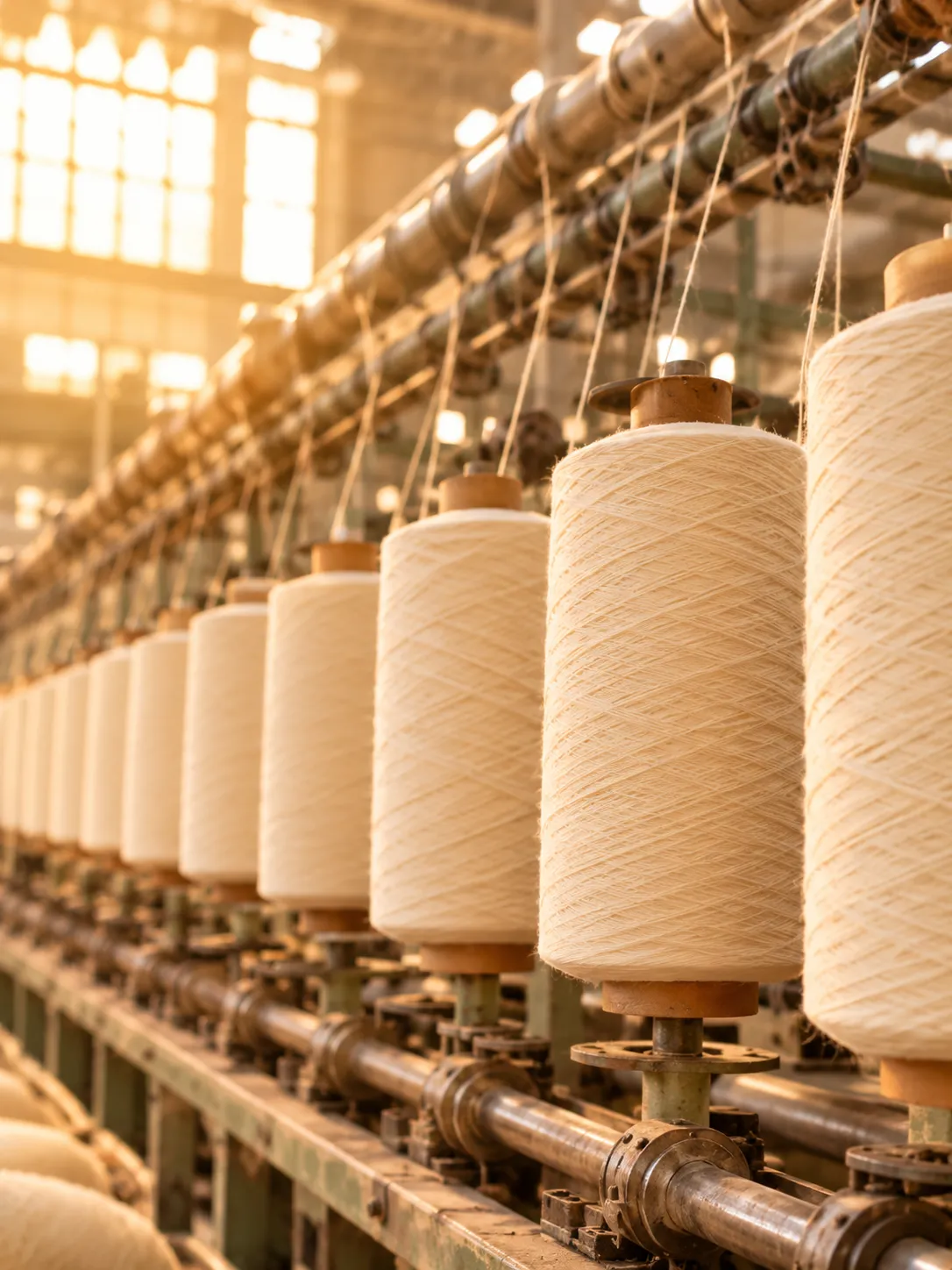
  3. Rows of cream cotton yarn cones on a spinning frame
    Spinning

    In 2024-25 India exported US$1.47 billion of cotton yarn and 12 to 14 lakh bales of cotton to Bangladesh. FACT Vajiram & Ravi, citing Government of India trade data, 15 February 2026 (opens in a new tab)

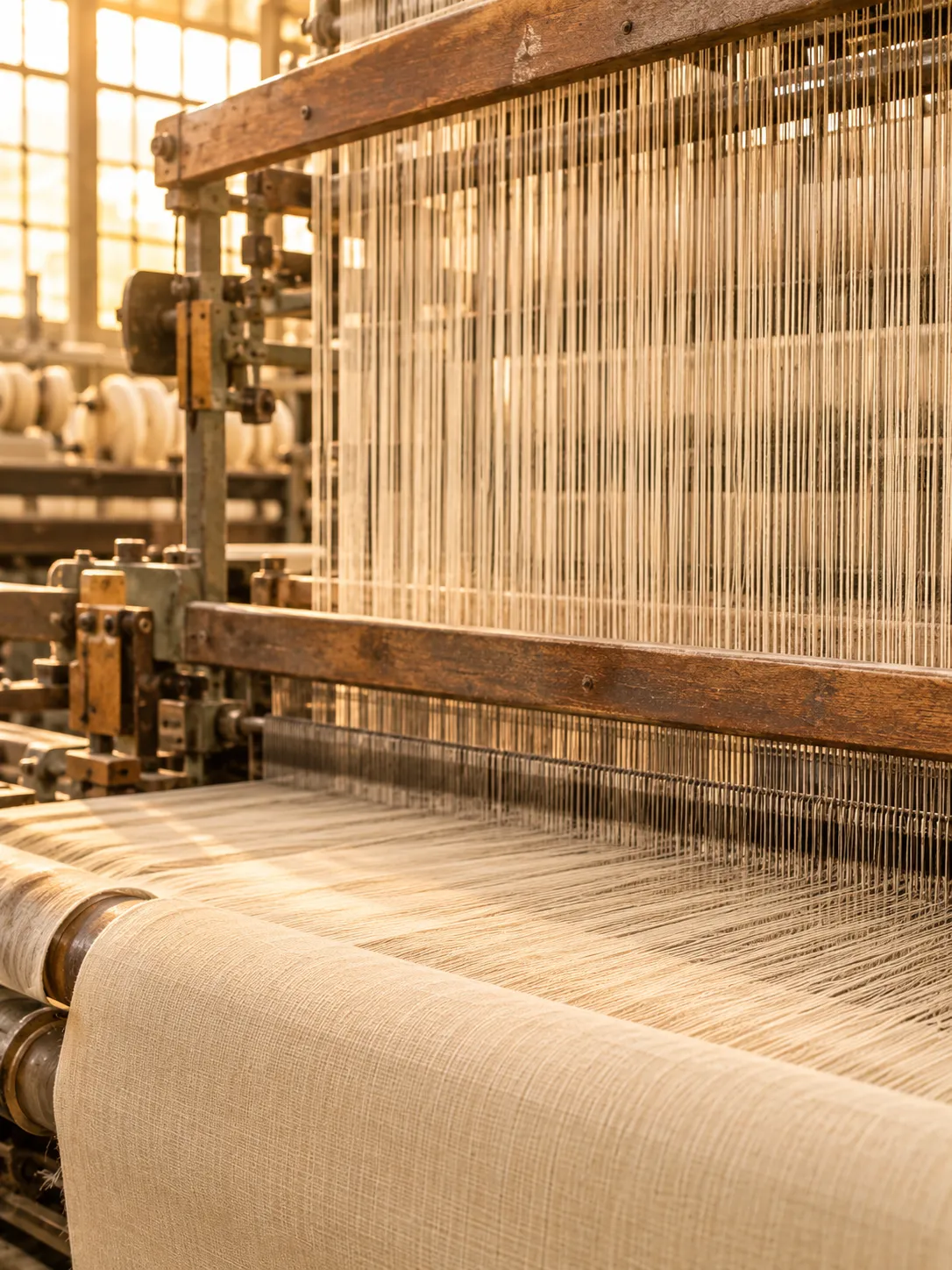
  4. A loom weaving plain beige cotton cloth
    Weaving

    Weaving turns yarn into cloth on a loom by interlacing two sets of threads at right angles: the lengthwise warp held under tension, and the crosswise weft carried back and forth through it. The pattern of interlacing gives a weave like poplin or twill its look and feel. MoolResha estimate

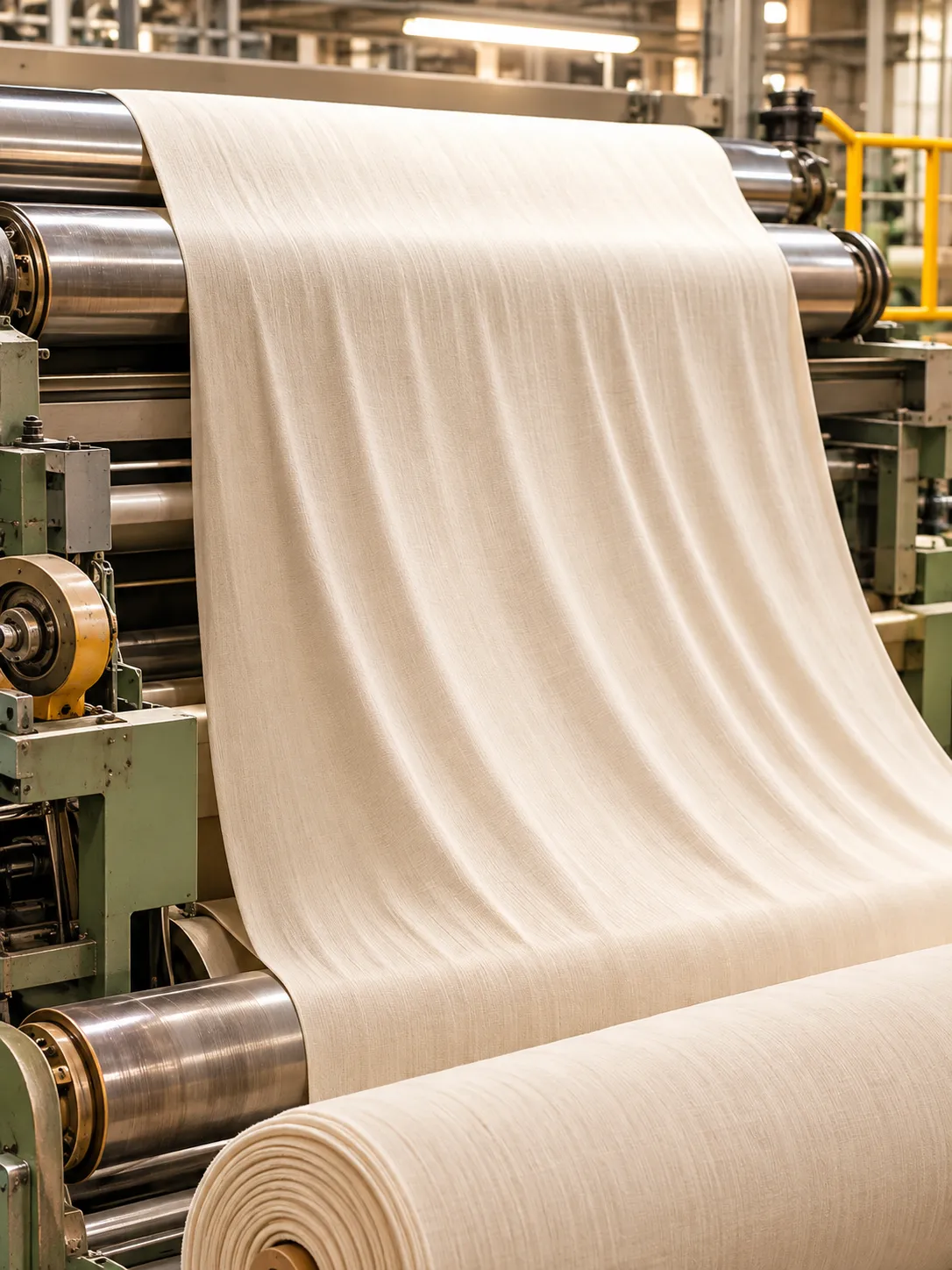
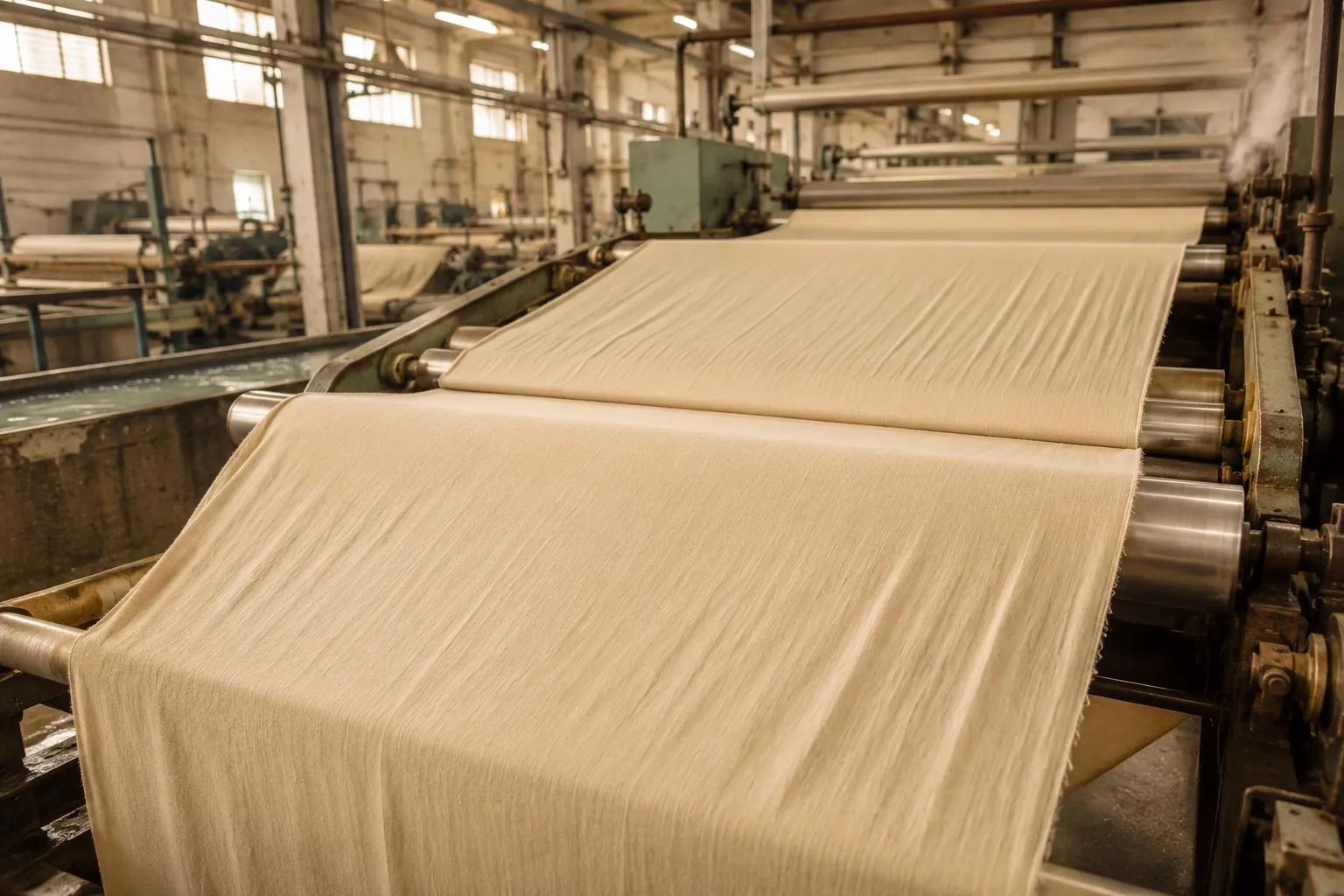
  5. Cotton fabric running over rollers in a finishing mill
    Processing (dyeing and finishing)

    After weaving, fabric is washed to remove sizing and impurities, dyed or bleached for colour, and finished with steps such as calendering or softening that set its final hand-feel, shrinkage and colour-fastness before it is cut and sewn. MoolResha estimate

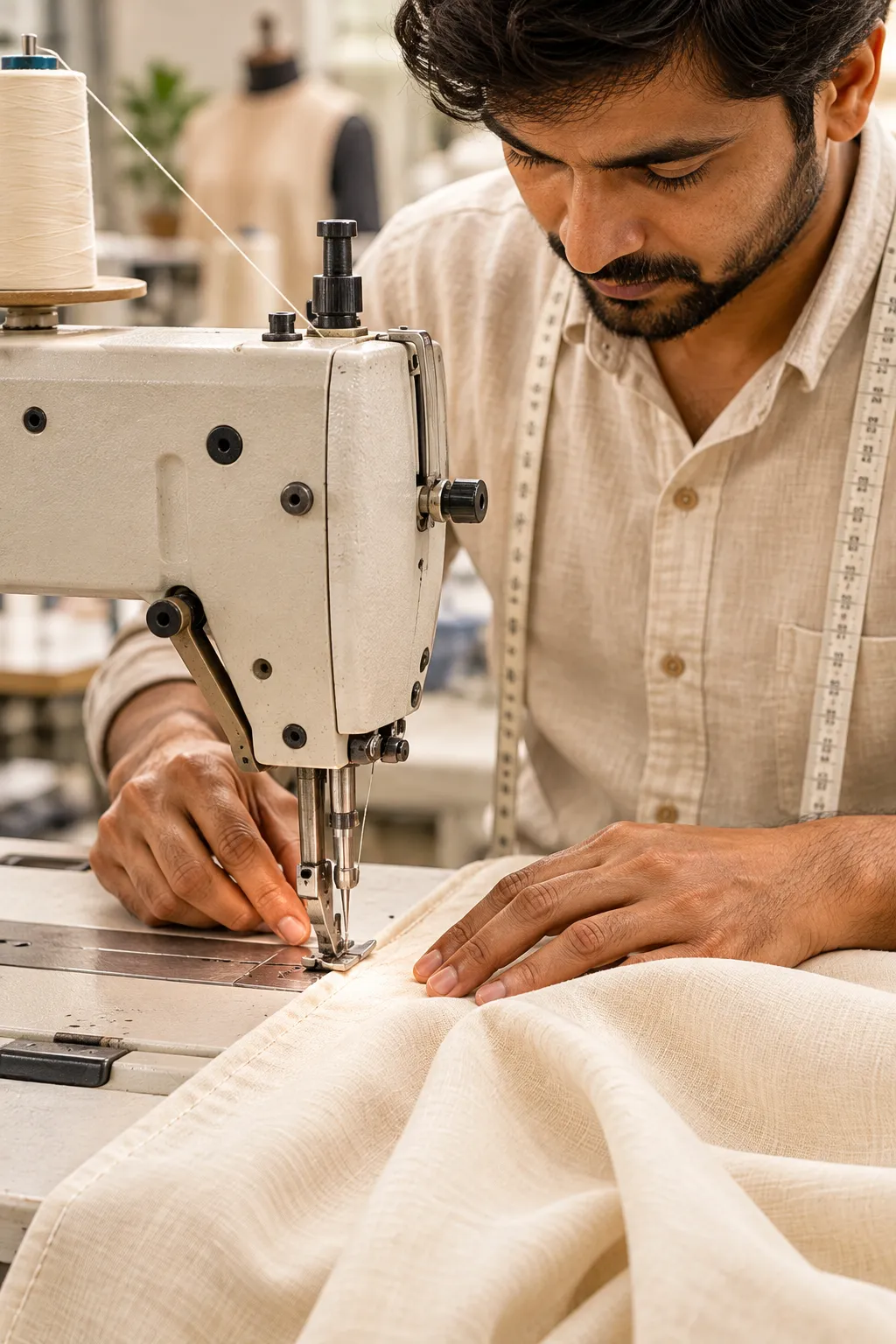
  6. A tailor sewing a cream cotton shirt at a machine in a workshop
    Stitching

    The World Bank describes India as the upstream yarn and fabric supplier to Bangladesh's apparel sector. FACT World Bank, February 2019 (opens in a new tab)

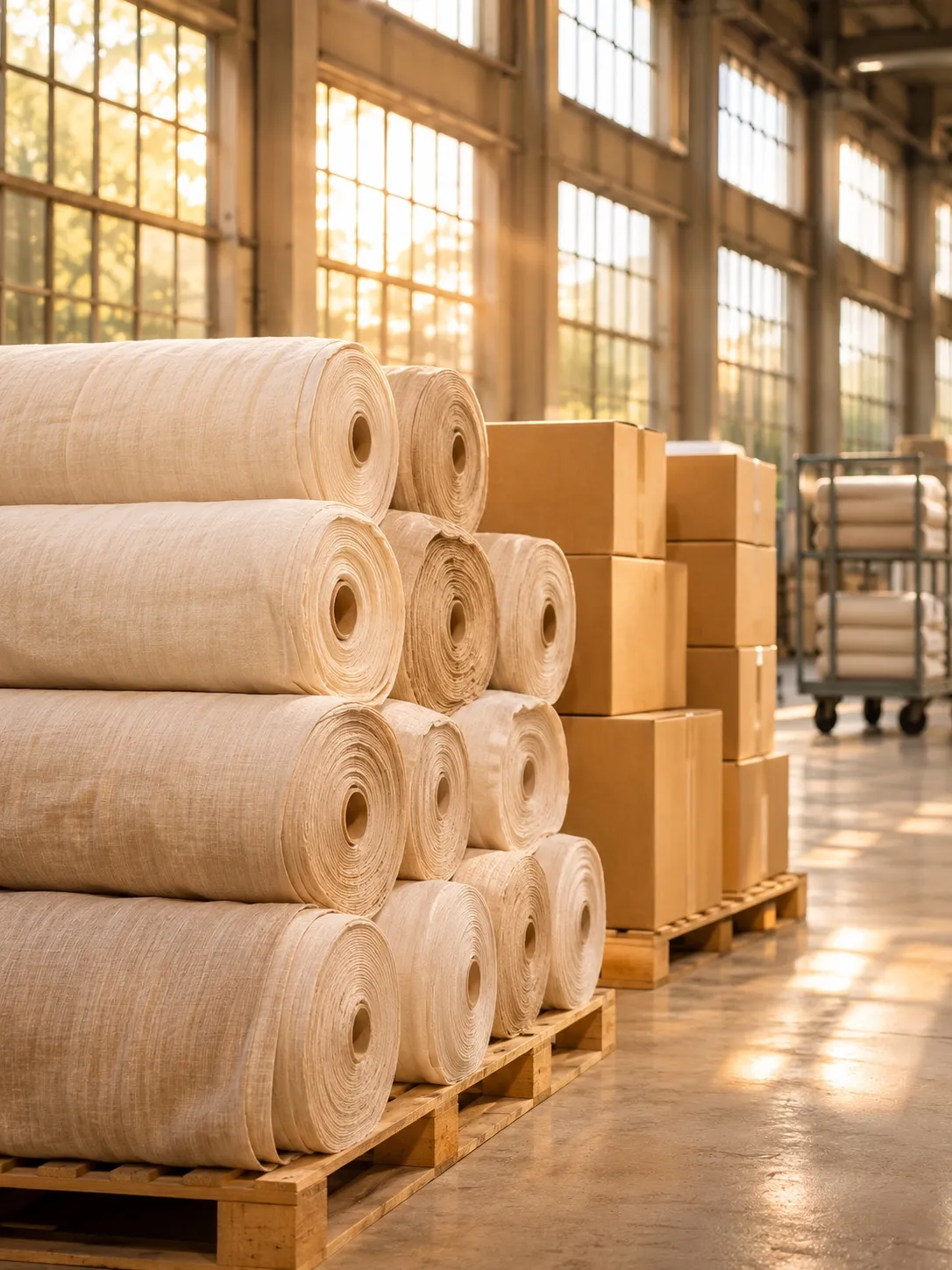
  7. Folded fabric rolls and plain cartons stacked on pallets in a warehouse
    Warehousing and distribution

    The Government of India's PM MITRA scheme aims to bring the textile value chain together in one place to reduce logistics costs. FACT PIB, 12 December 2025 (opens in a new tab)

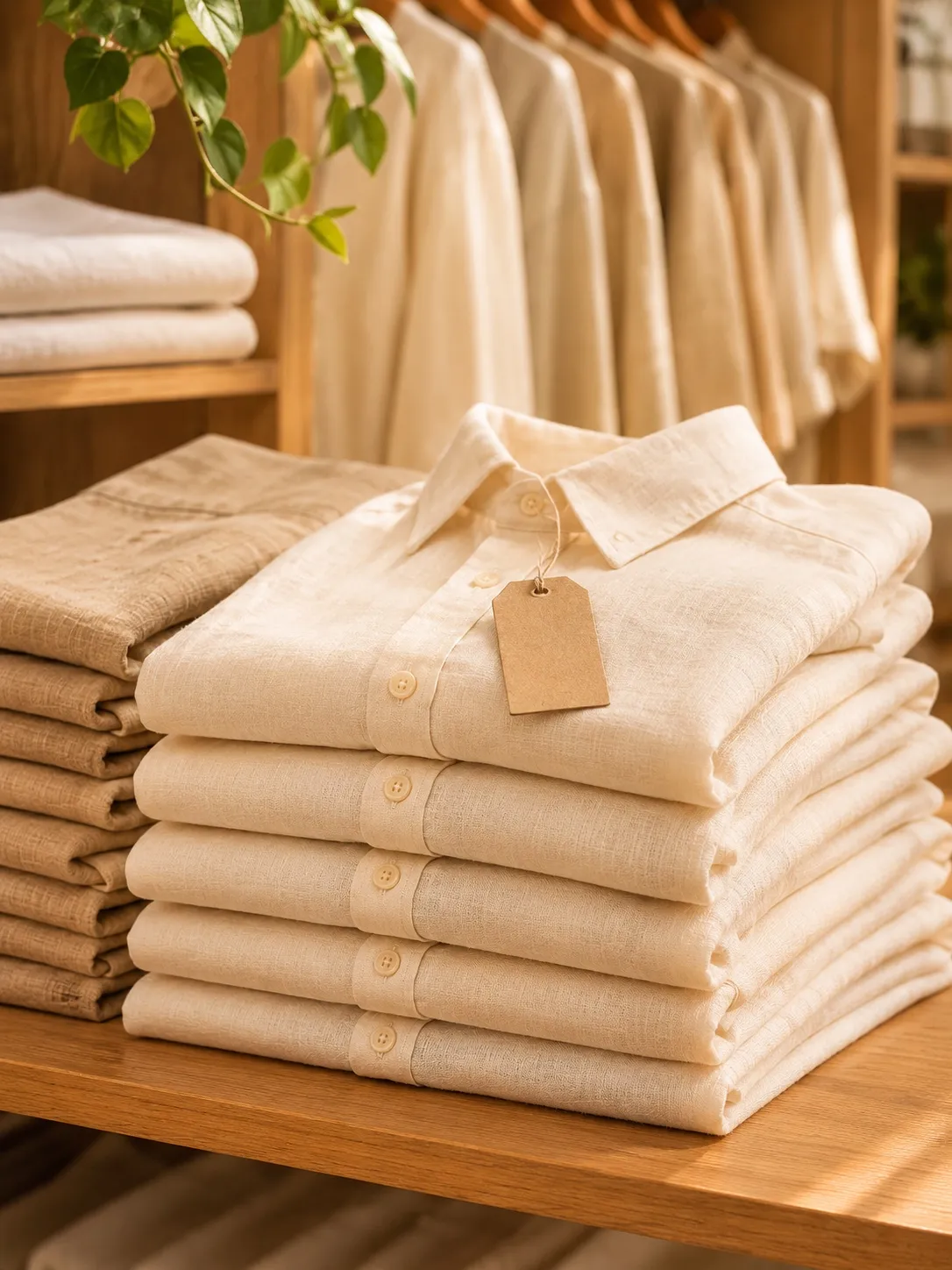
  8. Folded cream and beige shirts stacked on a wooden retail shelf
    Retail

    In a widely cited breakdown, about 60% of a T-shirt's retail price went to the retailer (store, staff, rent and tax). FACT Statista, citing Clean Clothes Campaign, 22 May 2025 (opens in a new tab)

Our aim: grown, spun, woven and stitched in India, with every step shown.

Last updated:

Where the money goes

Most of what you pay for a shirt goes to the layers between the field and you.

A garment's price usually adds up materials, making, transport, the brand, the retailer and taxes. Sourcing abroad is one factor among these, not the whole story.

What a shirt's price is made of

An illustration of how a T-shirt's retail price typically splits between the retailer, the brand, materials and transport. The exact split moves with the market and the piece; the source is in the citation below.

  • Retailer60%
  • Brand profit12%
  • Materials12%
  • Transport8%

The source lists these components only. Other components are not shown here.

See the numbers as a table
Share of the retail price of a T-shirt, by component
ComponentShare of the retail price
Retailer60%
Brand profit12%
Materials12%
Transport8%

In a widely cited breakdown of a T-shirt's retail price, about 60% of the price went to the retailer, 12% to brand profit, 12% to materials and 8% to transport. FACT Statista, citing Clean Clothes Campaign, 22 May 2025 (opens in a new tab)

In the same breakdown, under 1% of the price went to factory workers. FACT Statista, citing Clean Clothes Campaign, 22 May 2025 (opens in a new tab)

Last updated:

02 — Understanding the price

What goes into the price of a shirt?

These are the layers that make up the price of a garment, in the order they usually appear.

Colours only identify the layers. They are not to scale.
  • Fabric
  • Making (cutting and stitching)
  • Finishing
  • Packaging
  • Shipping
  • RTO and returns
  • Platform and payment fees
  • GST
  • Margin
  1. FabricThe cloth itself: the fibre, the yarn spun from it, and the weaving or knitting that turns yarn into cloth, priced by the metre.
  2. Making (cutting and stitching)Cutting the fabric to pattern, sewing every seam, and checking each piece for fit and finish before it leaves the workshop.
  3. FinishingWashing, pressing, trims like buttons and labels, and the final quality check that gets a piece ready to pack and sell.
  4. PackagingThe bag, box or mailer that protects the piece in transit, plus any tags, tissue or inserts packed in with it.
  5. ShippingMoving the piece from the workshop or warehouse to the courier, and from the courier to your door.
  6. RTO and returnsThe cost of parcels that are undelivered, refused or sent back, including return shipping and re-checking the piece.
  7. Platform and payment feesThe commission a sales platform charges per order, plus the fee a payment gateway takes to process the payment.
  8. GSTThe Goods and Services Tax added to a sale at the rate the government sets for the category; see the note below.
  9. MarginWhat is left after every other layer is paid for; it funds the next season's fabric and keeps the studio running.

Our aim, not a promise yet: a real cost breakdown for every piece, once pricing is settled.

Readymade garments priced up to ₹2,500 per piece attract 5% GST; above ₹2,500 per piece, 18%. FACT PIB, September 2025 (opens in a new tab)

Last updated:

03 — The design lab

Five ideas. Your point of view.

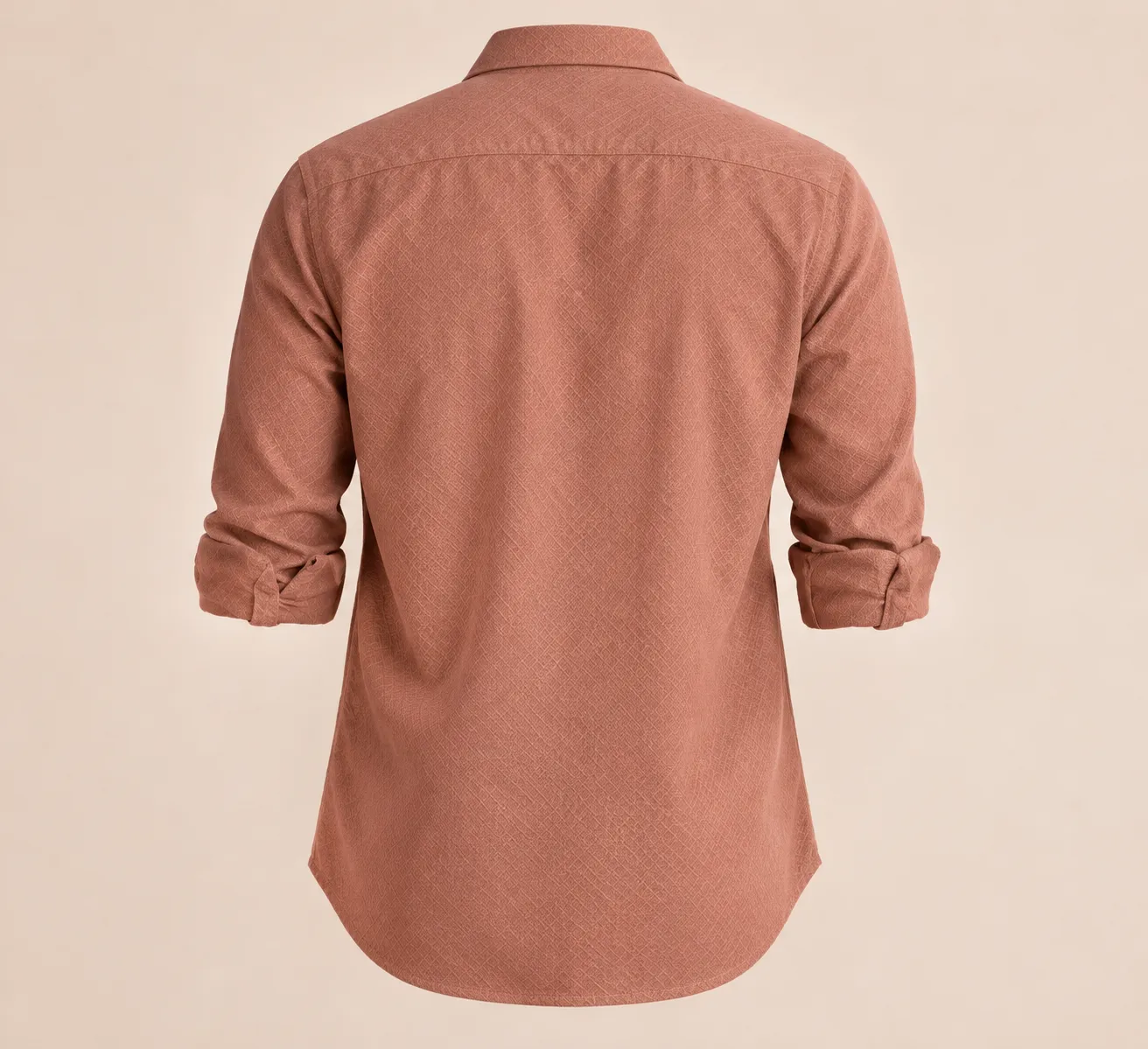
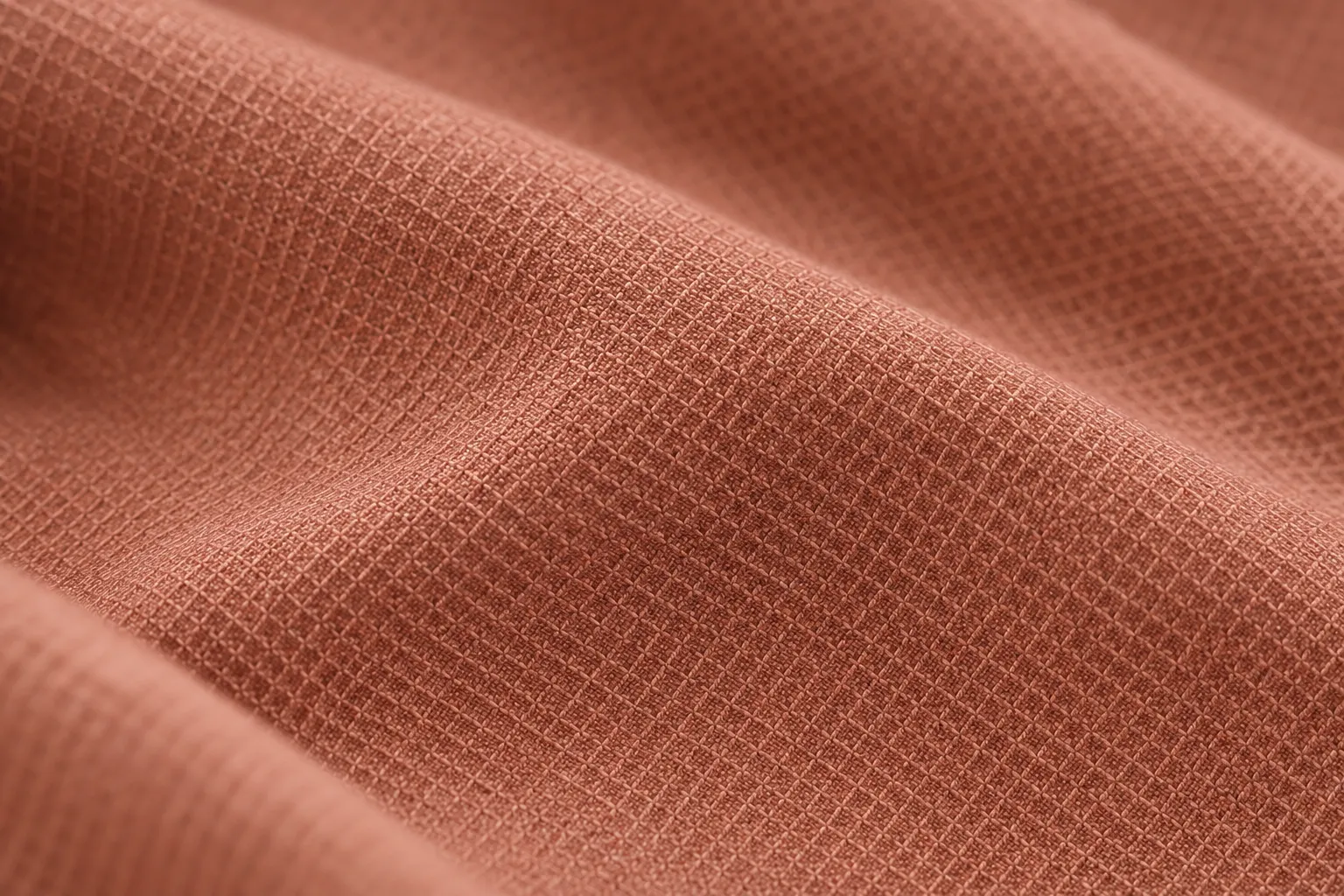
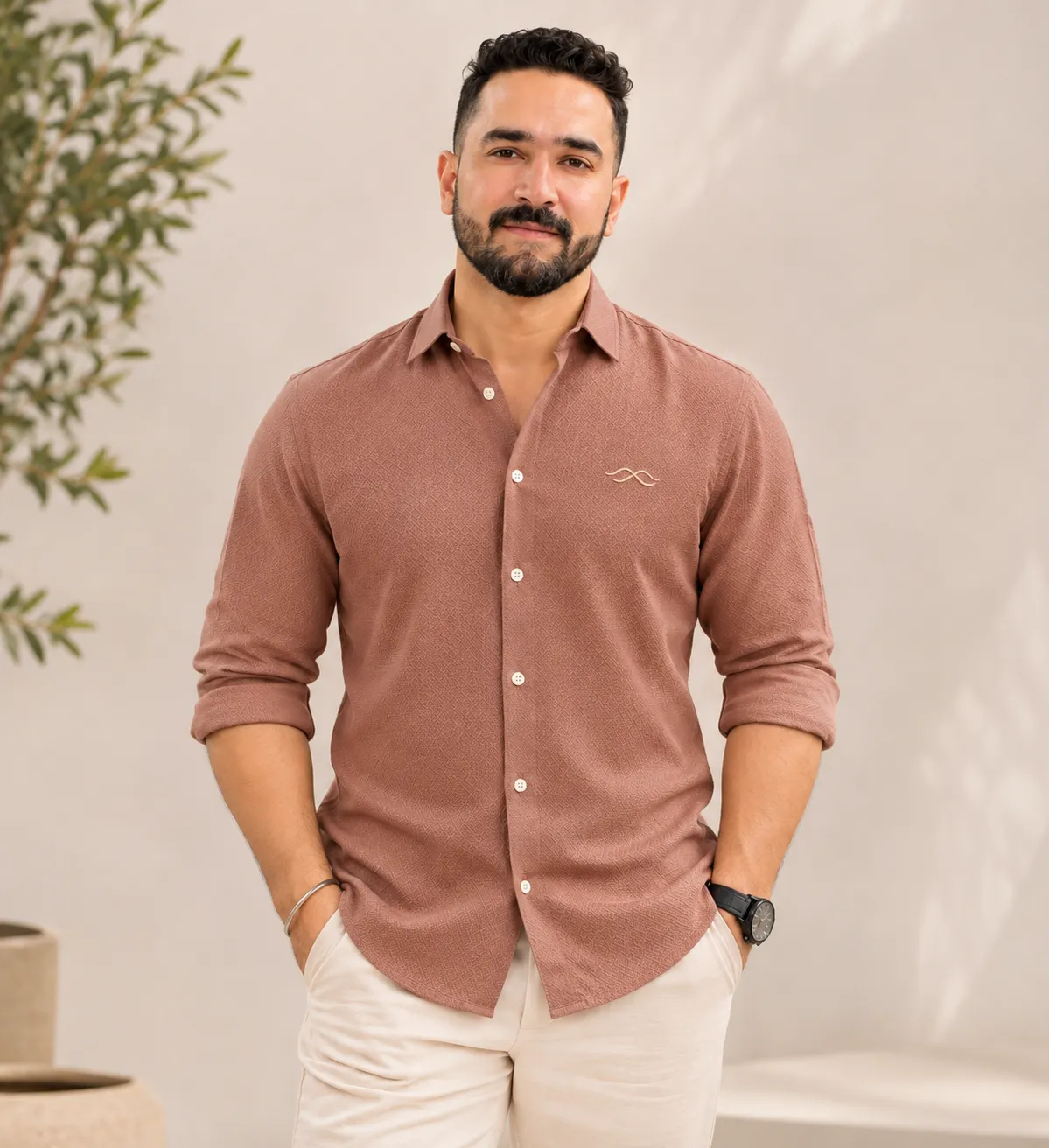
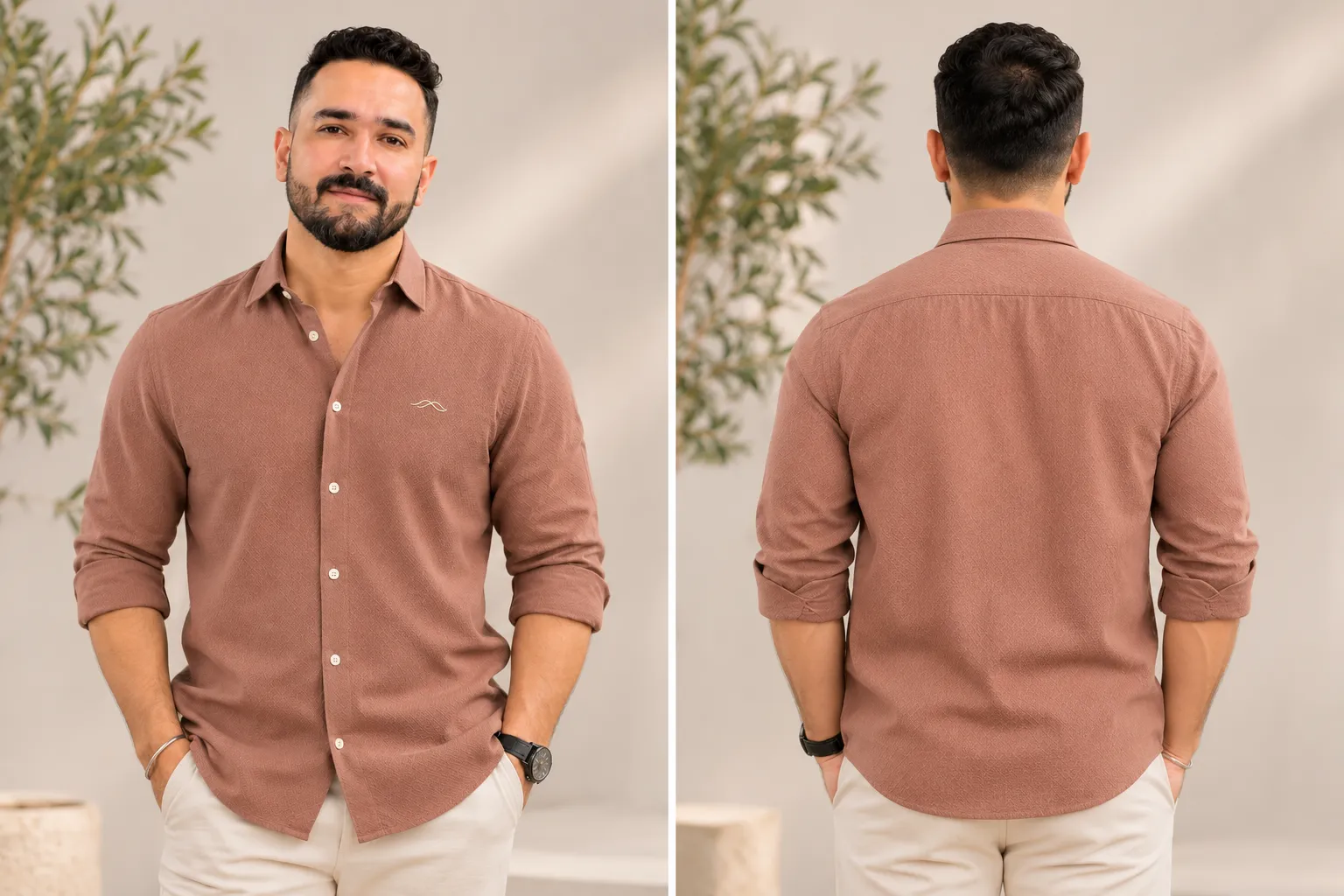
These are design concepts, not finished products. Pick one, turn it around, read the fabric notes and tell us what you would change.

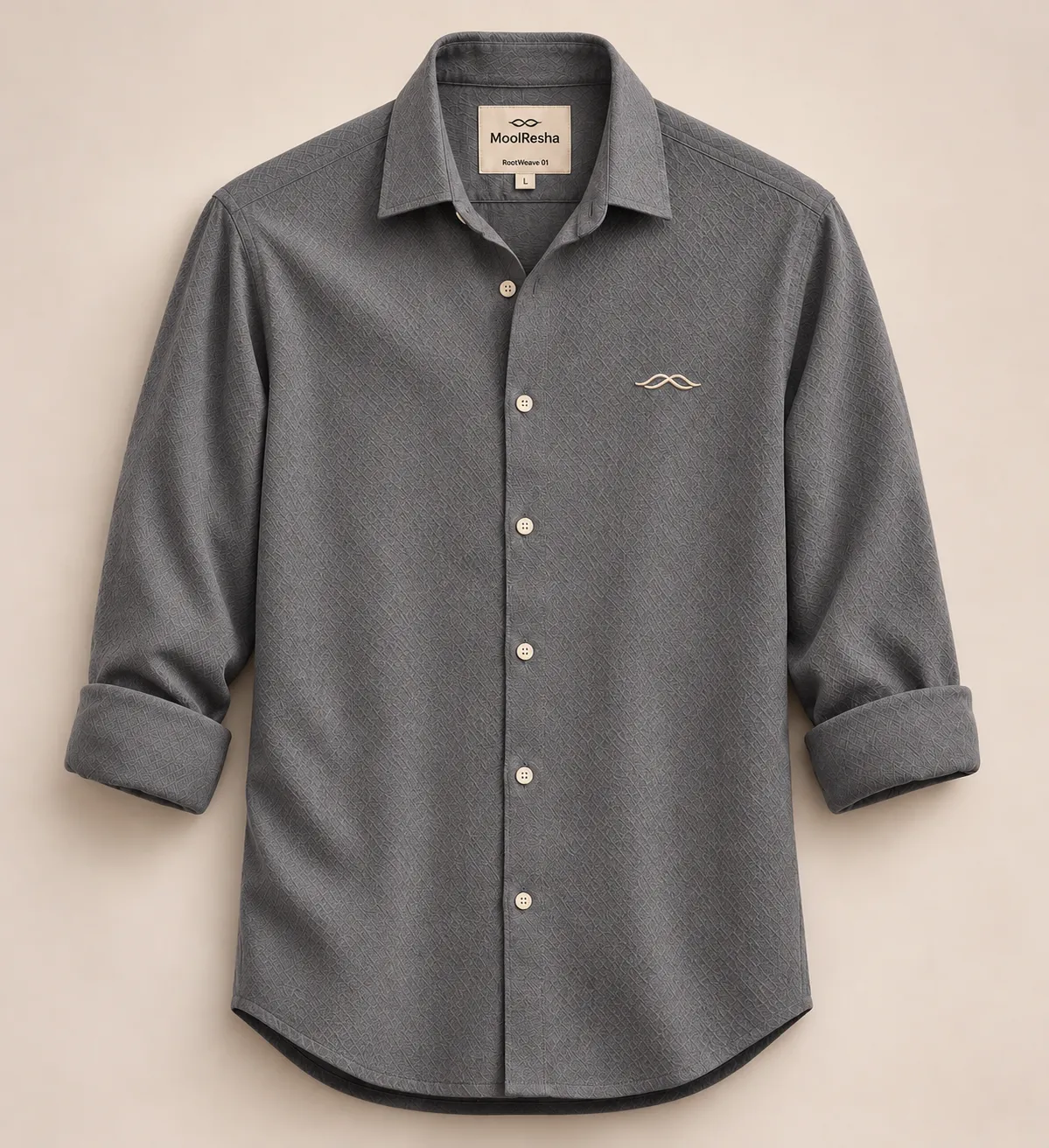
Concept 01

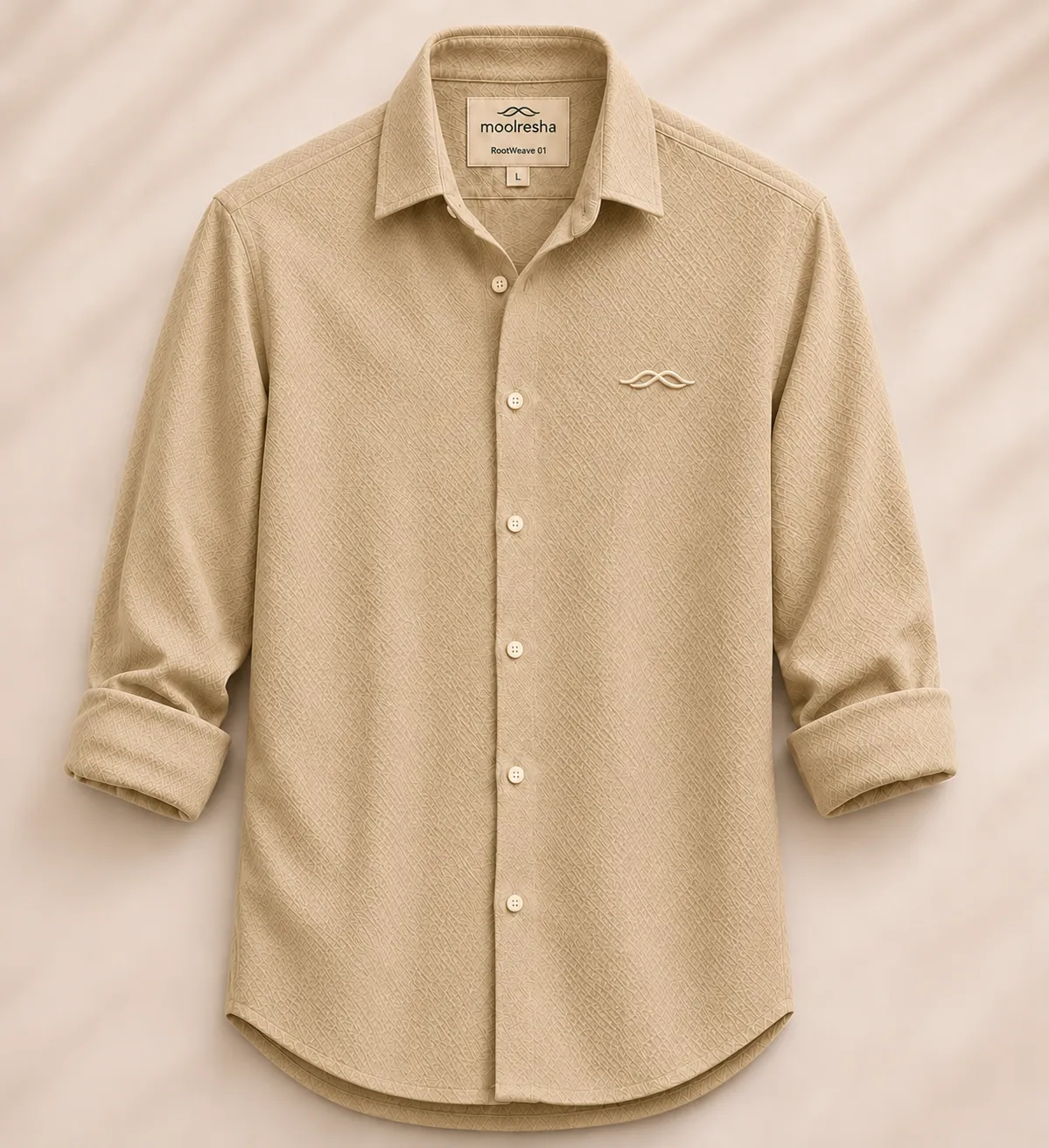
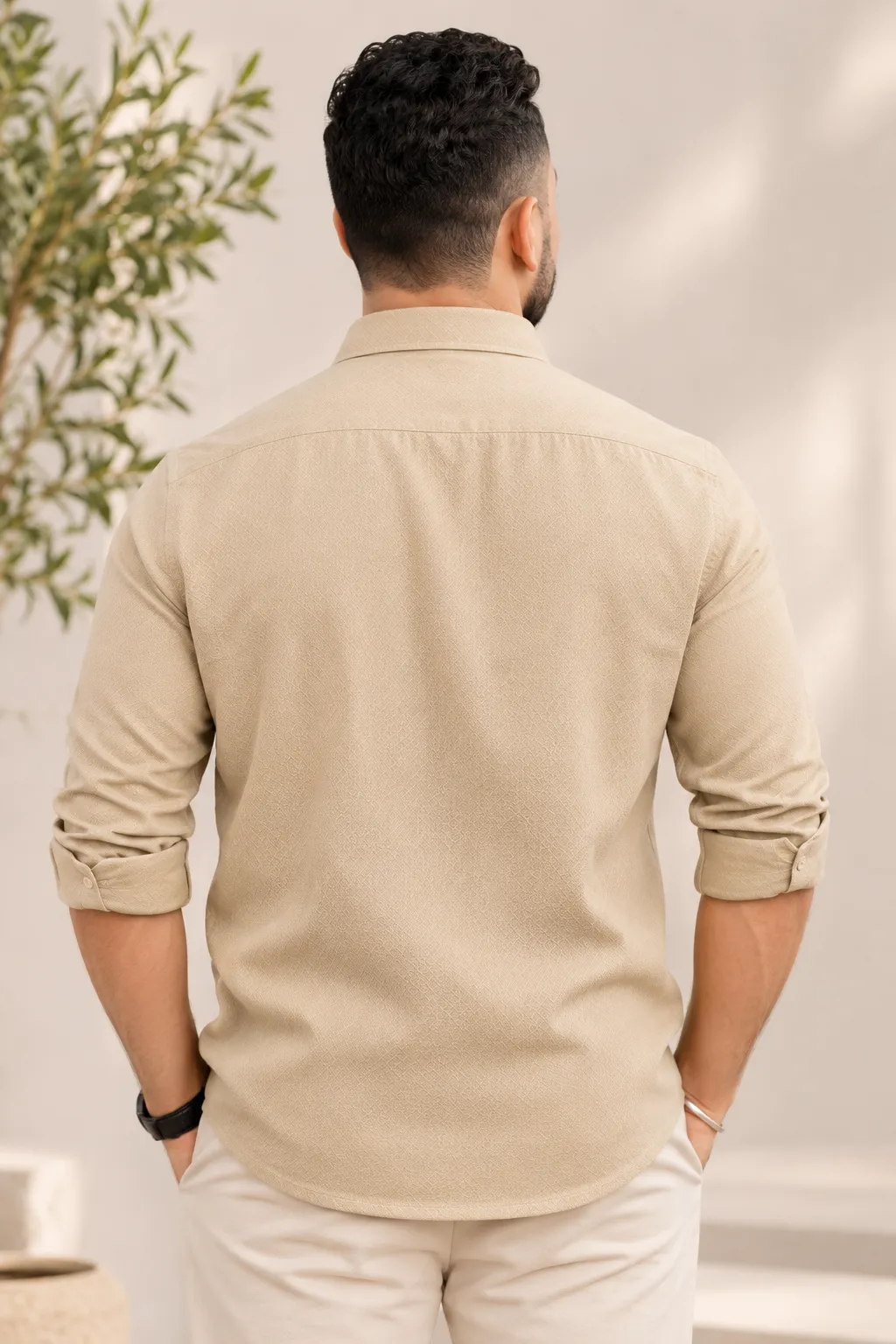
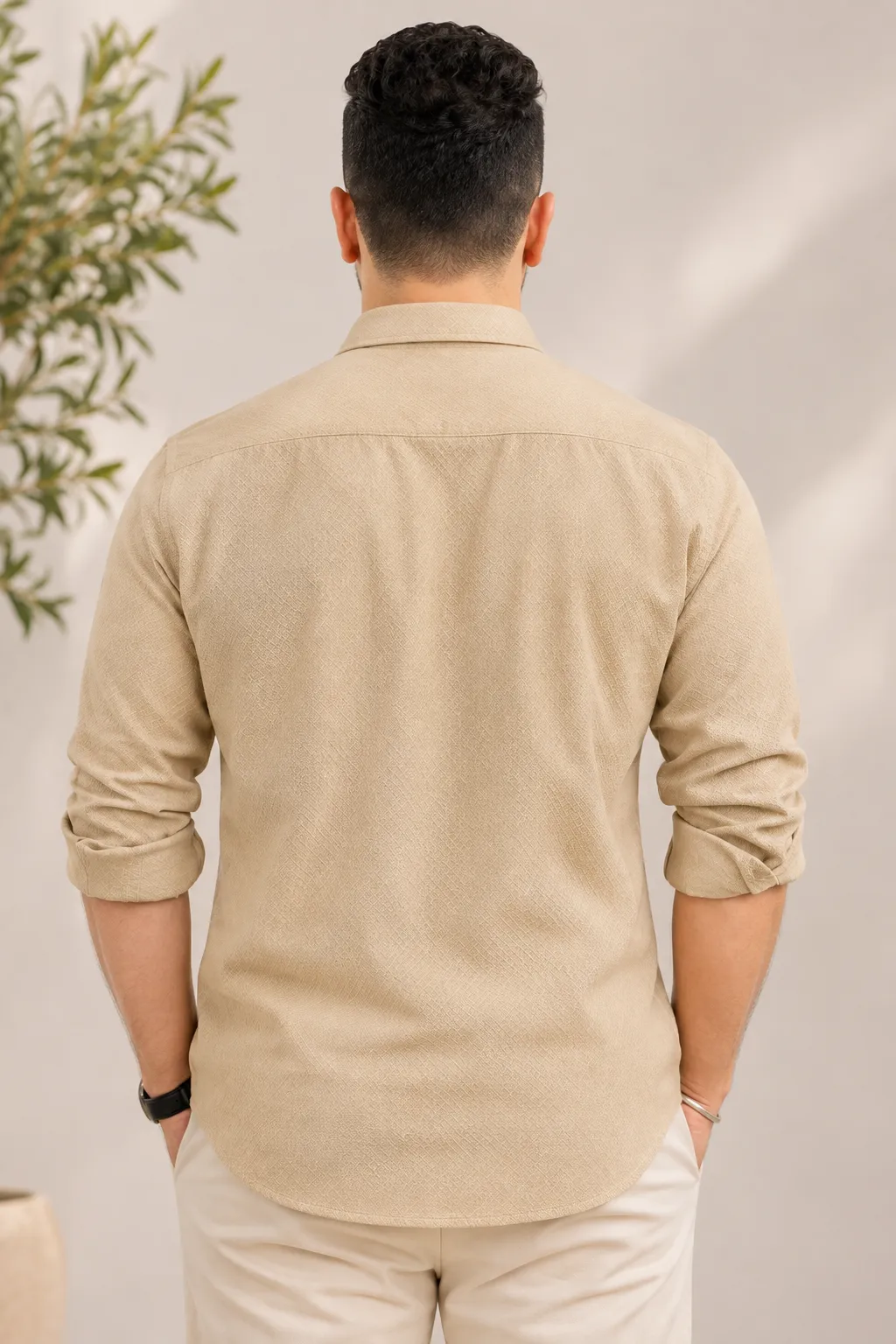
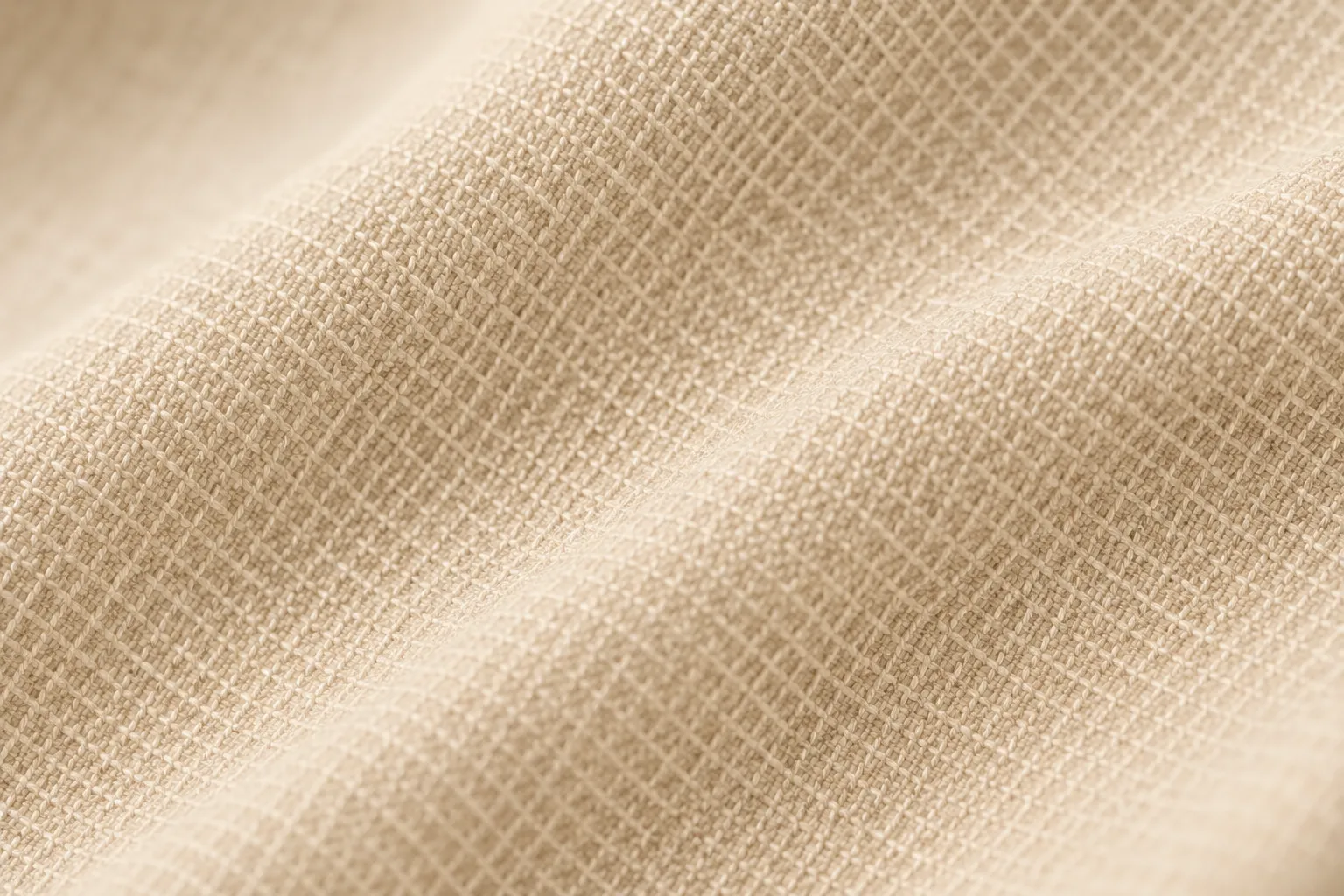
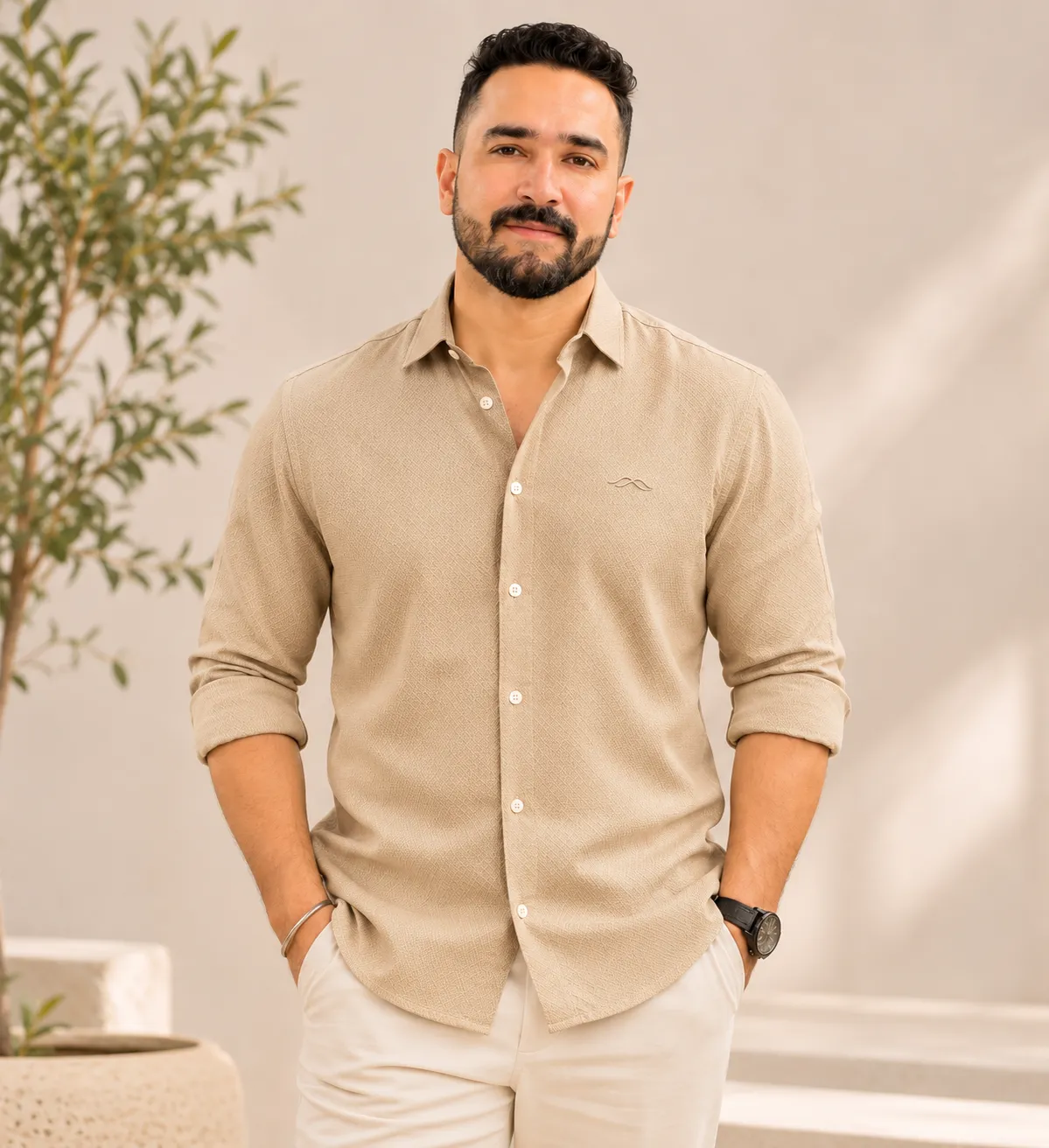
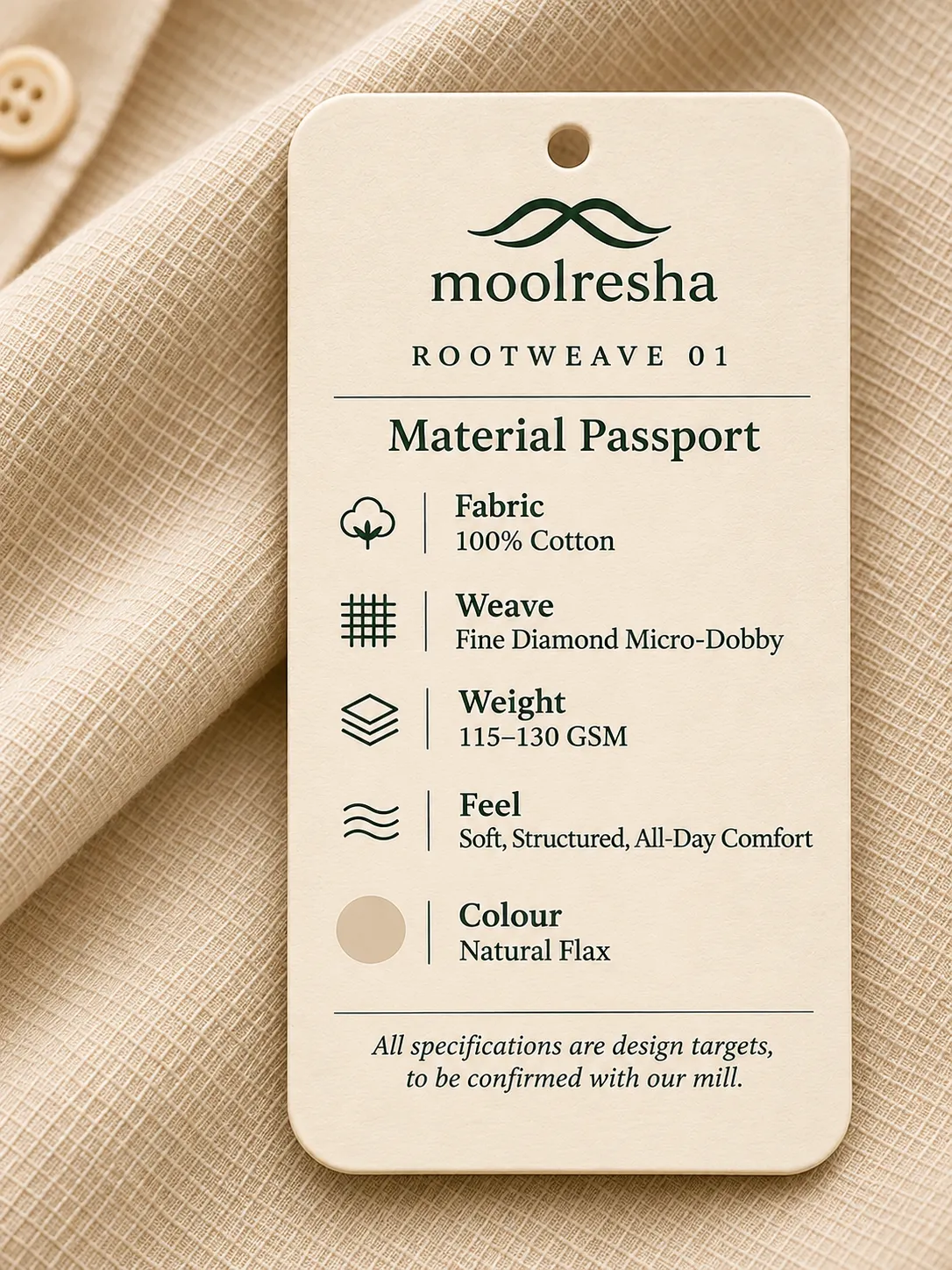
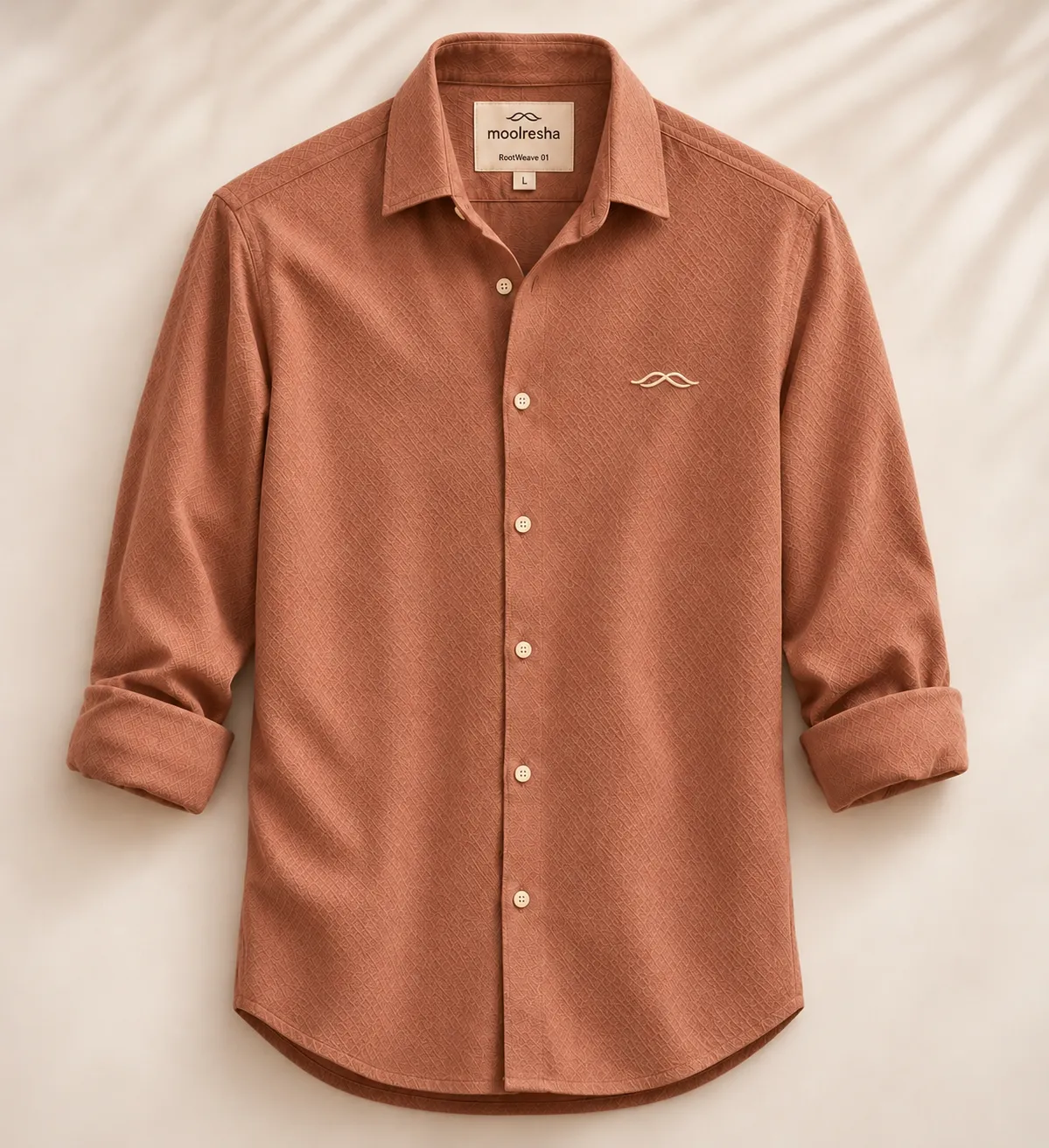
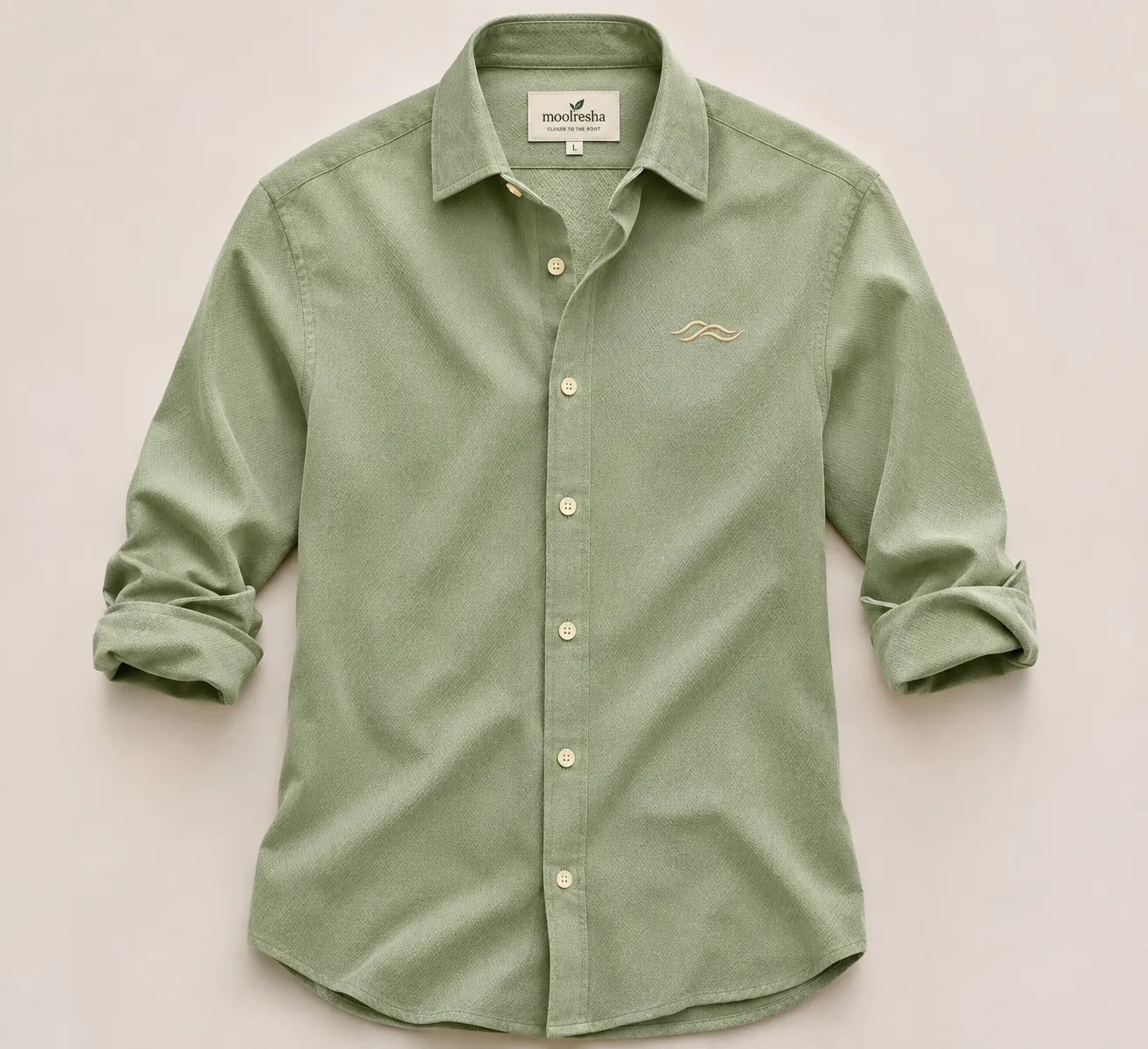
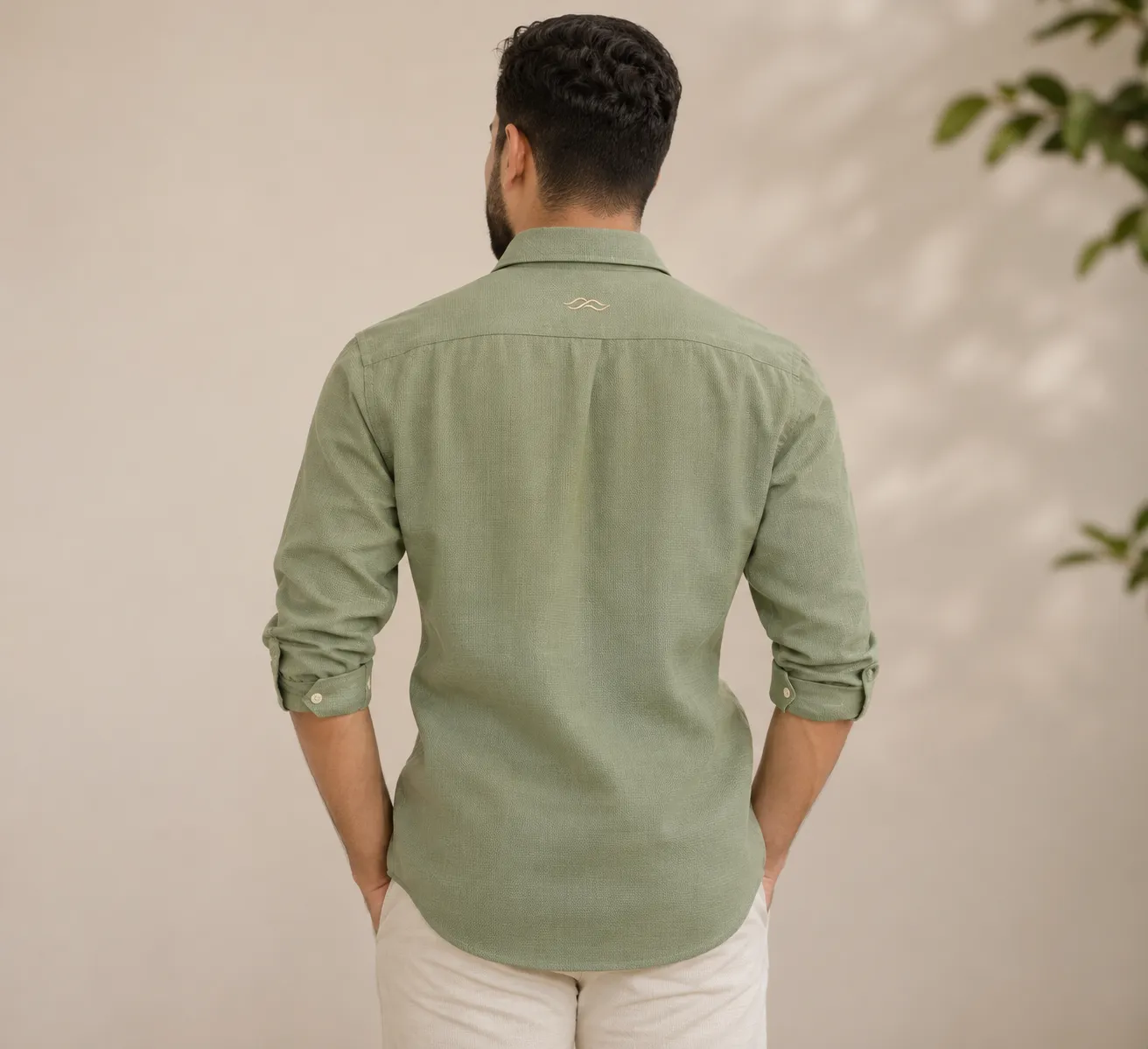
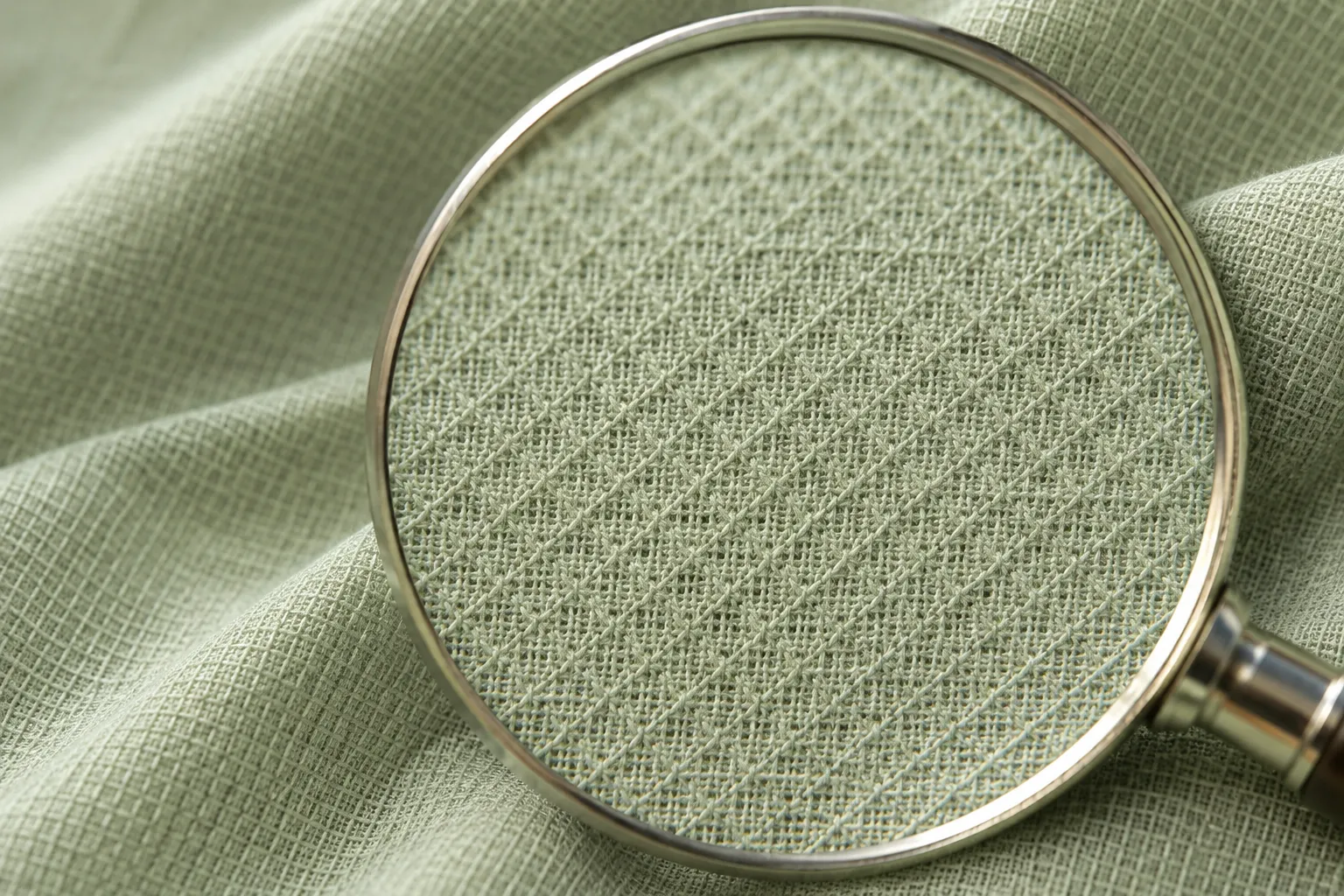
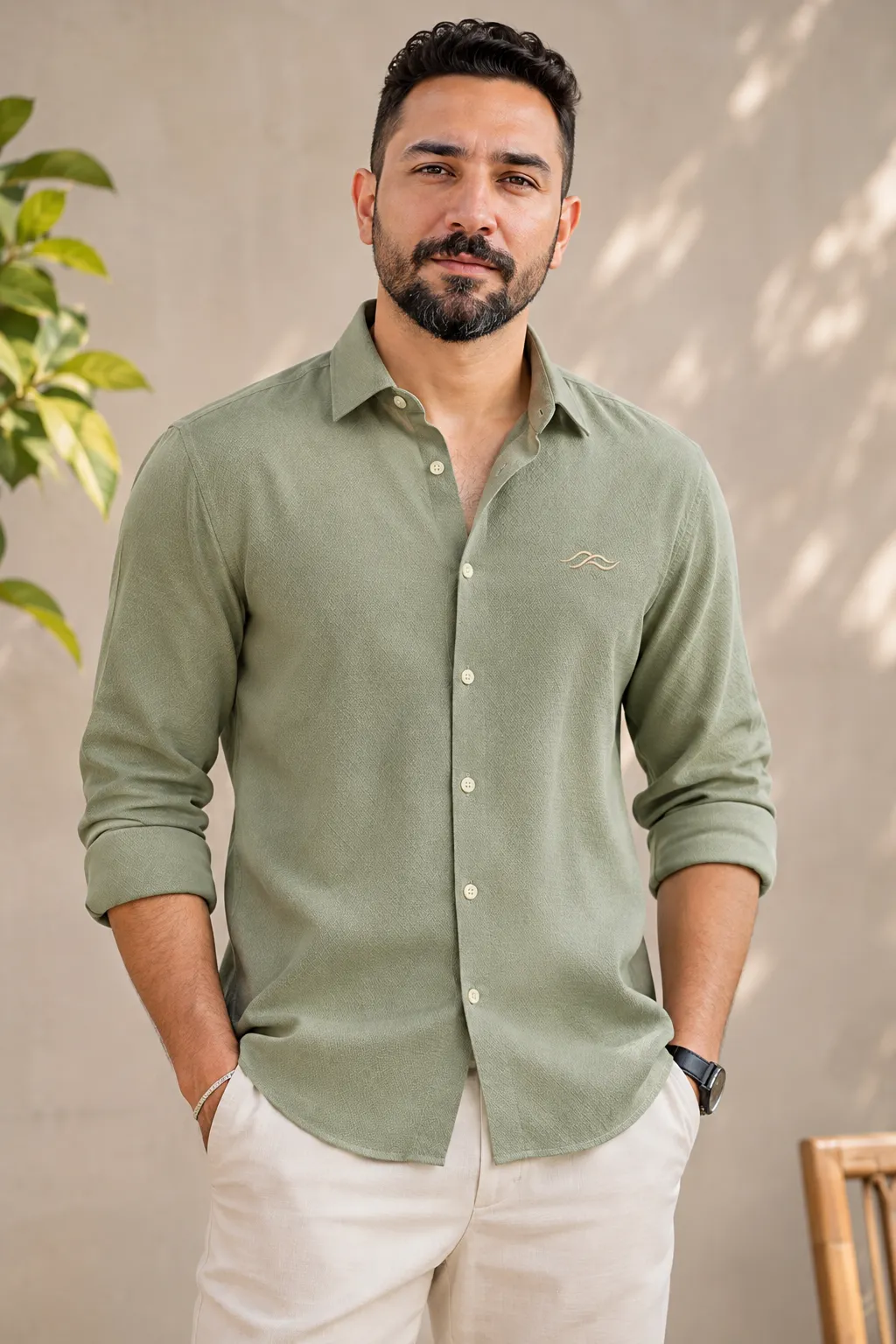
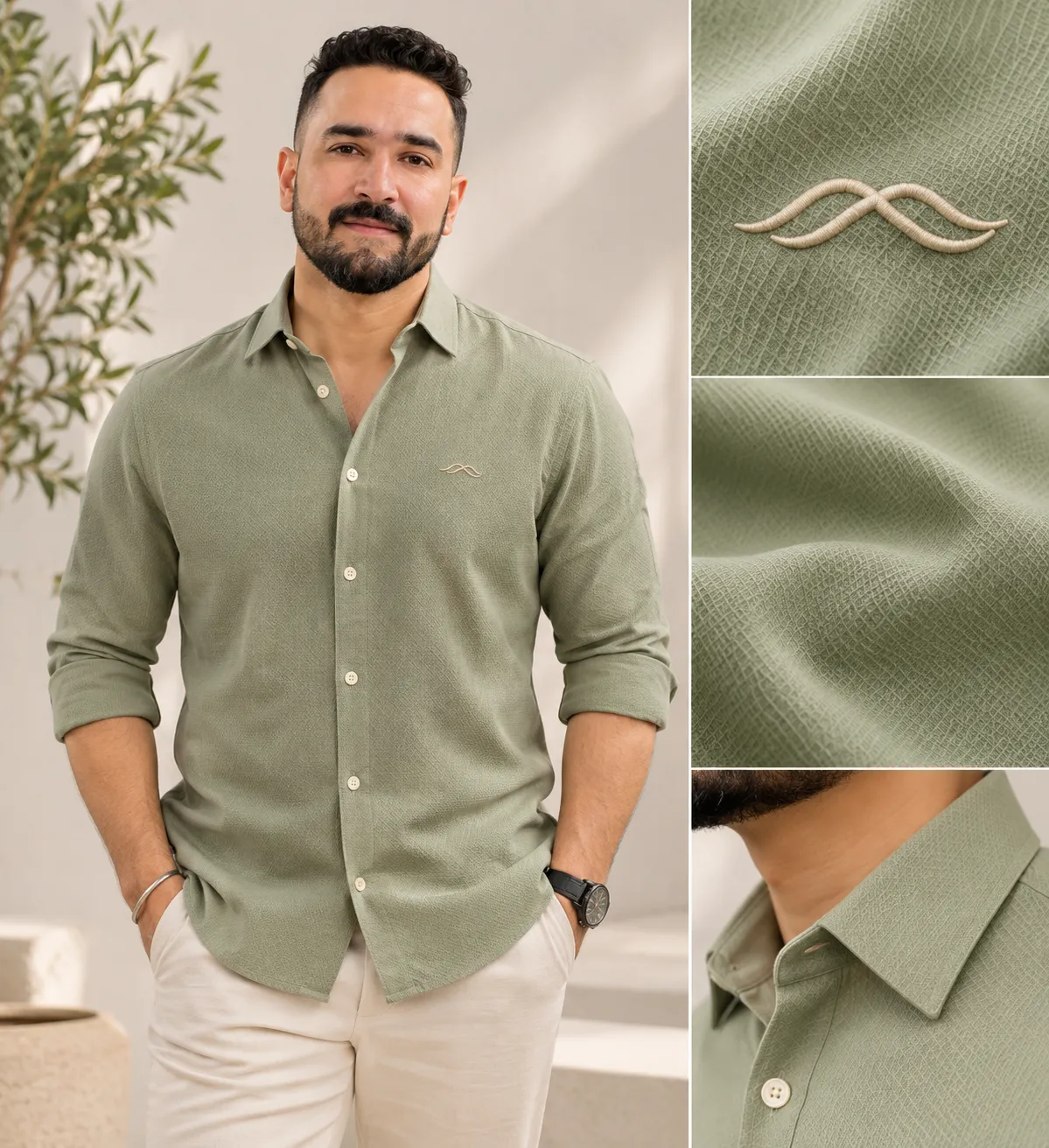
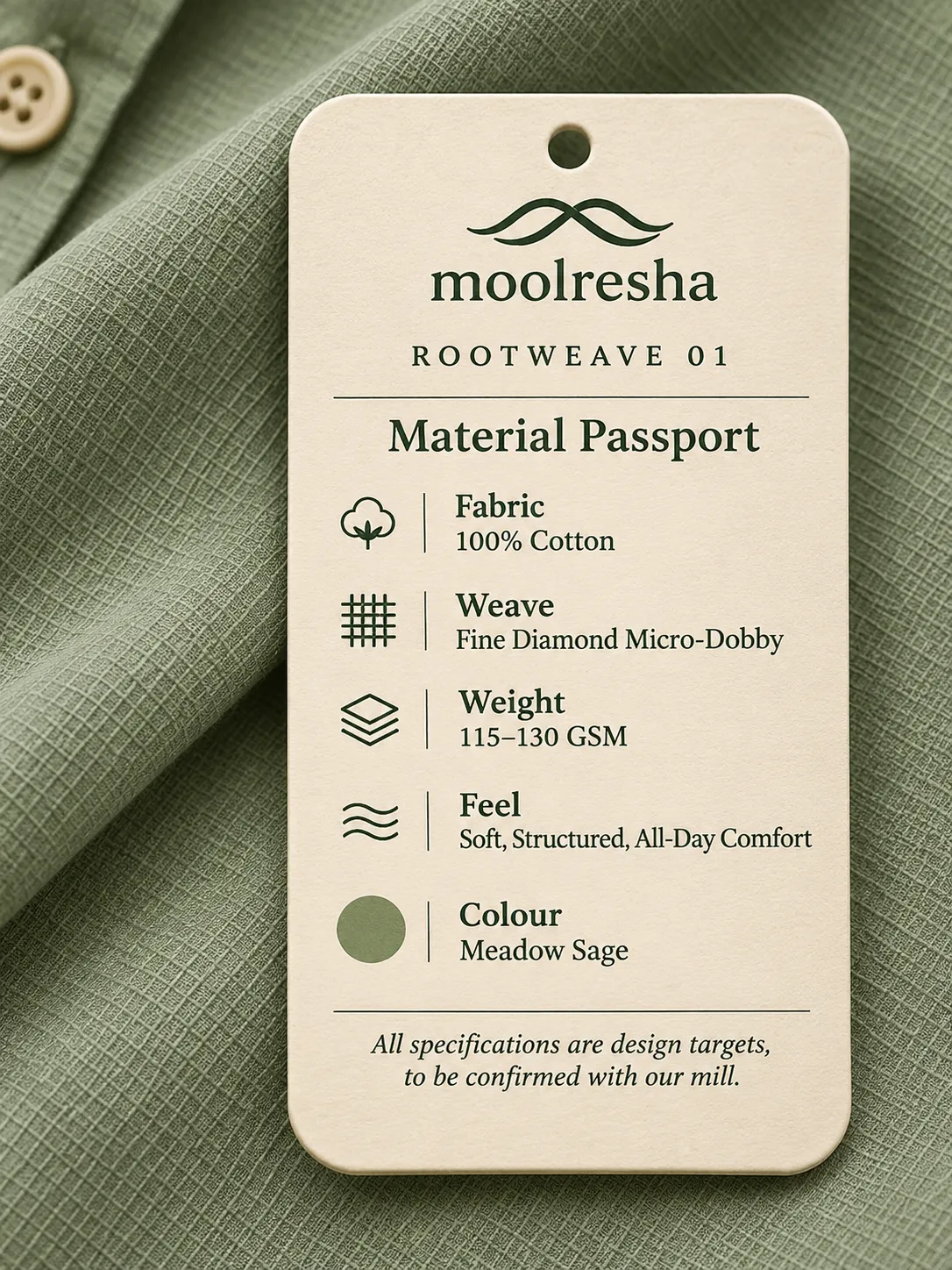
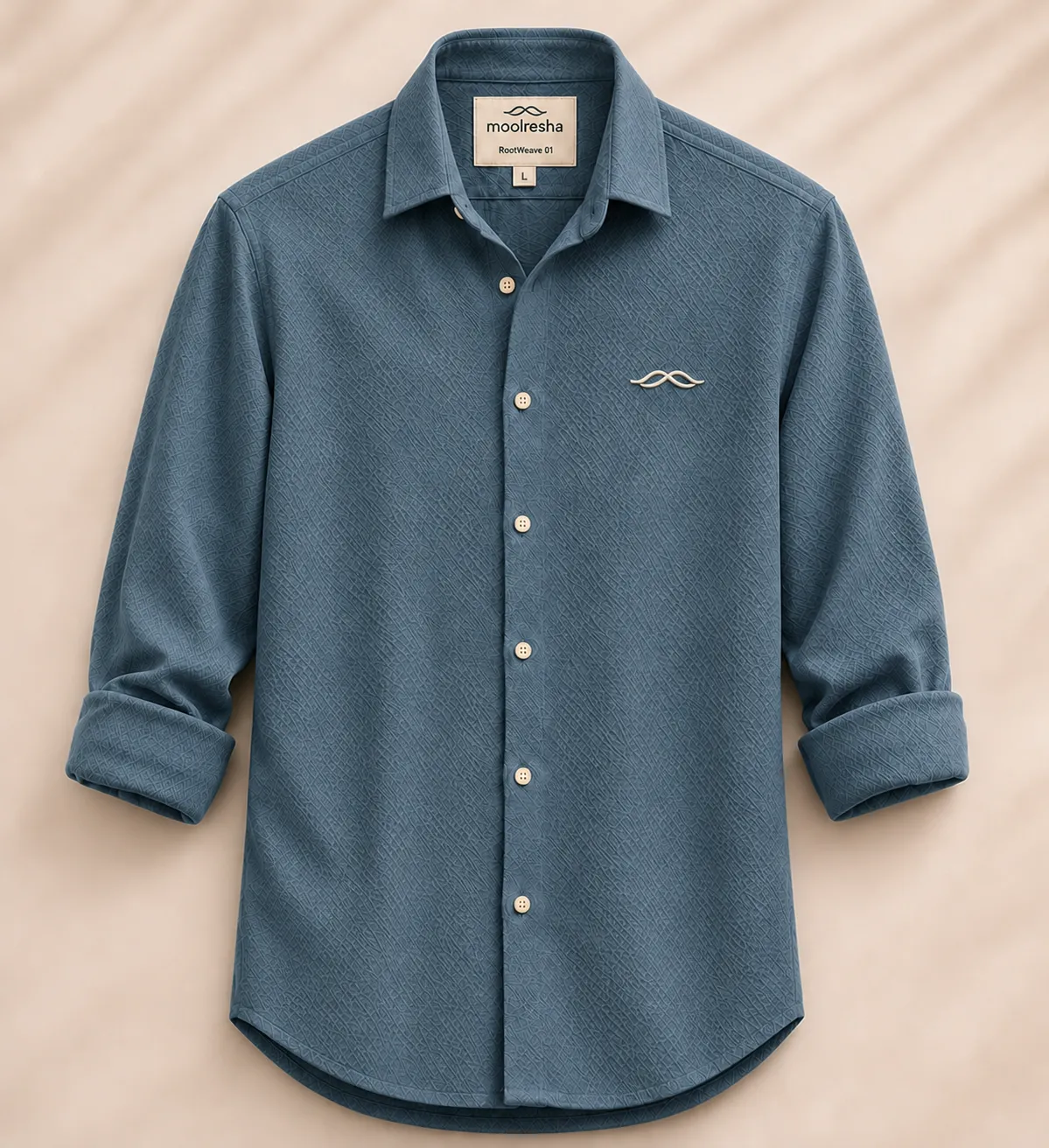
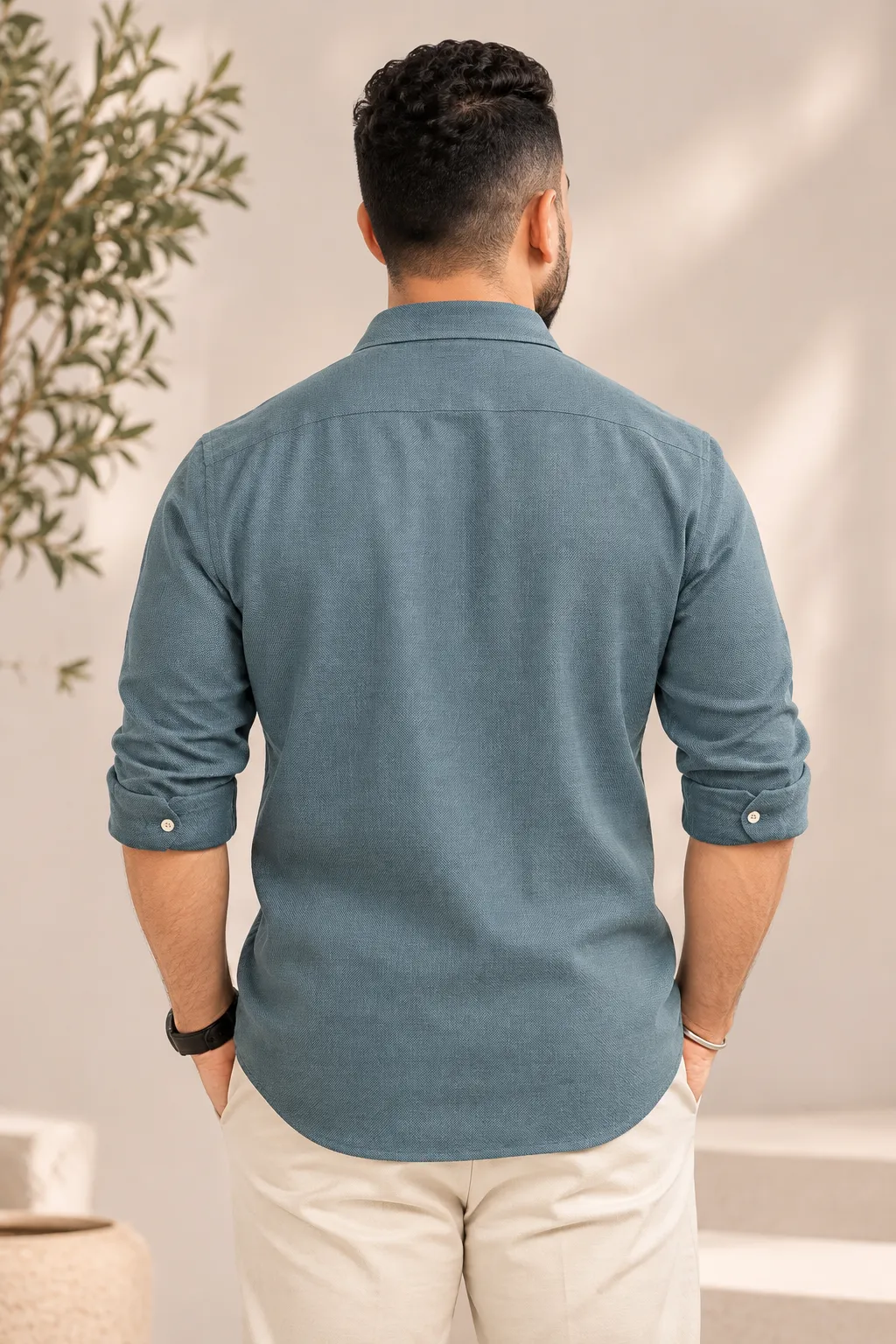
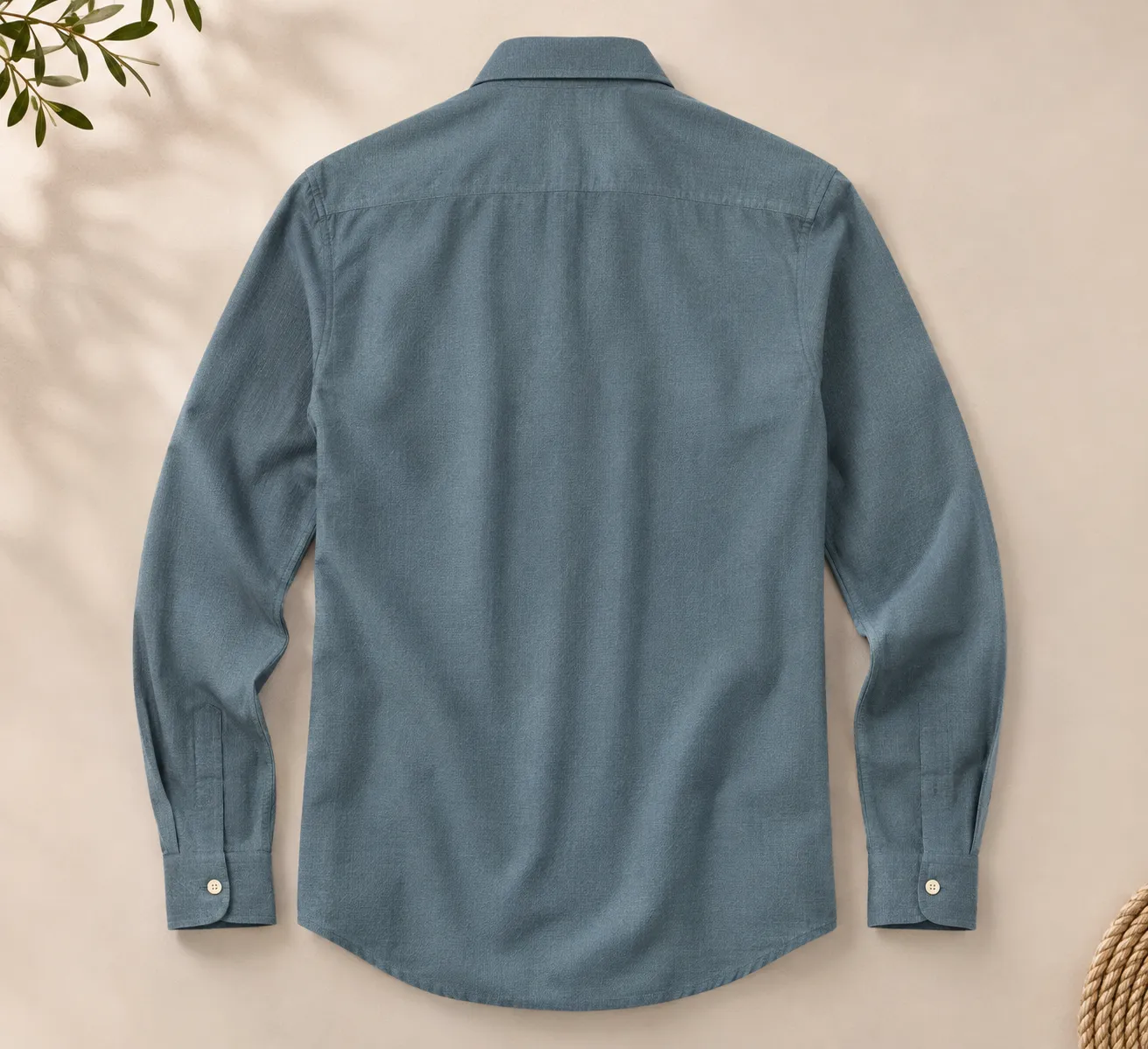
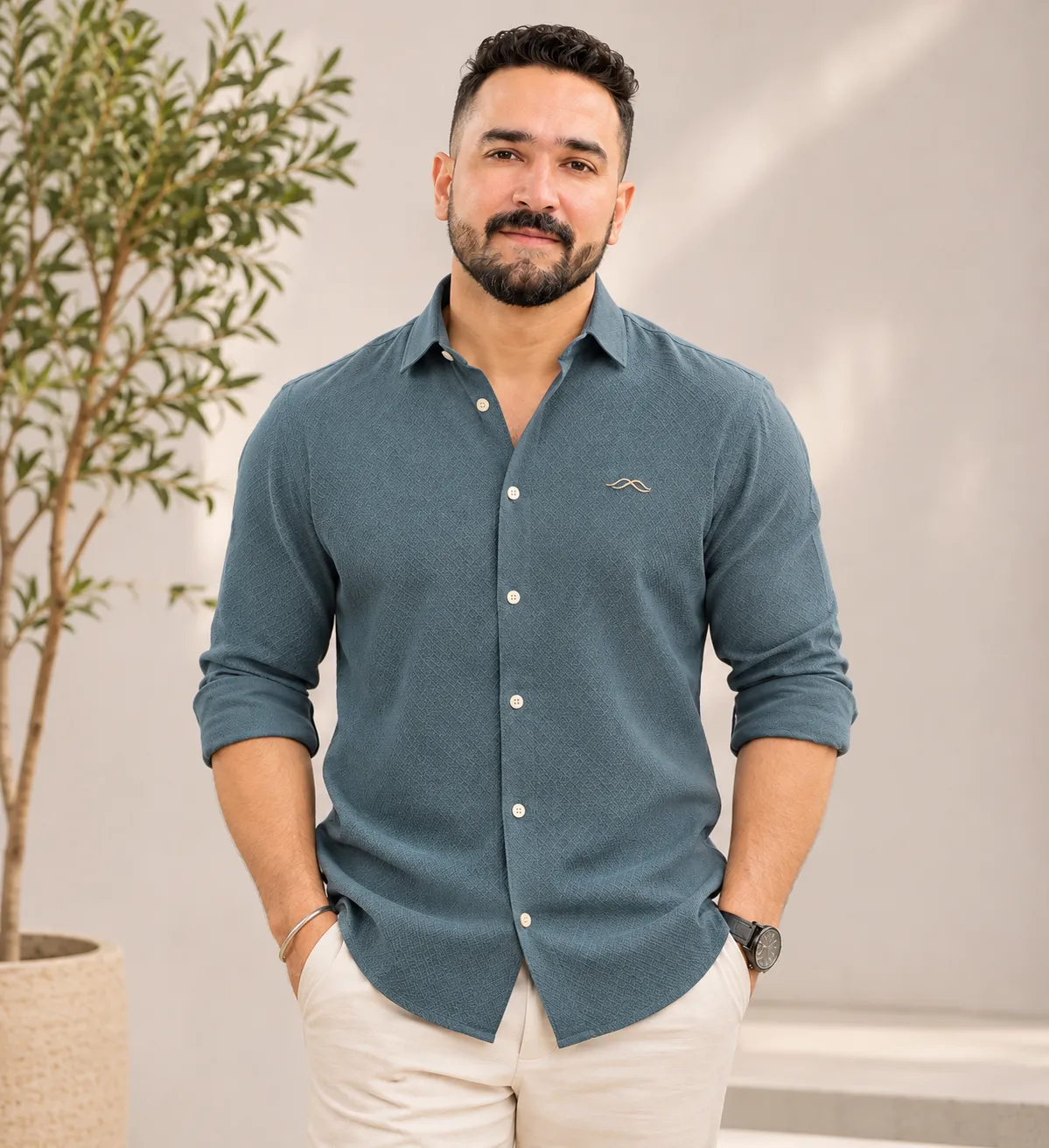
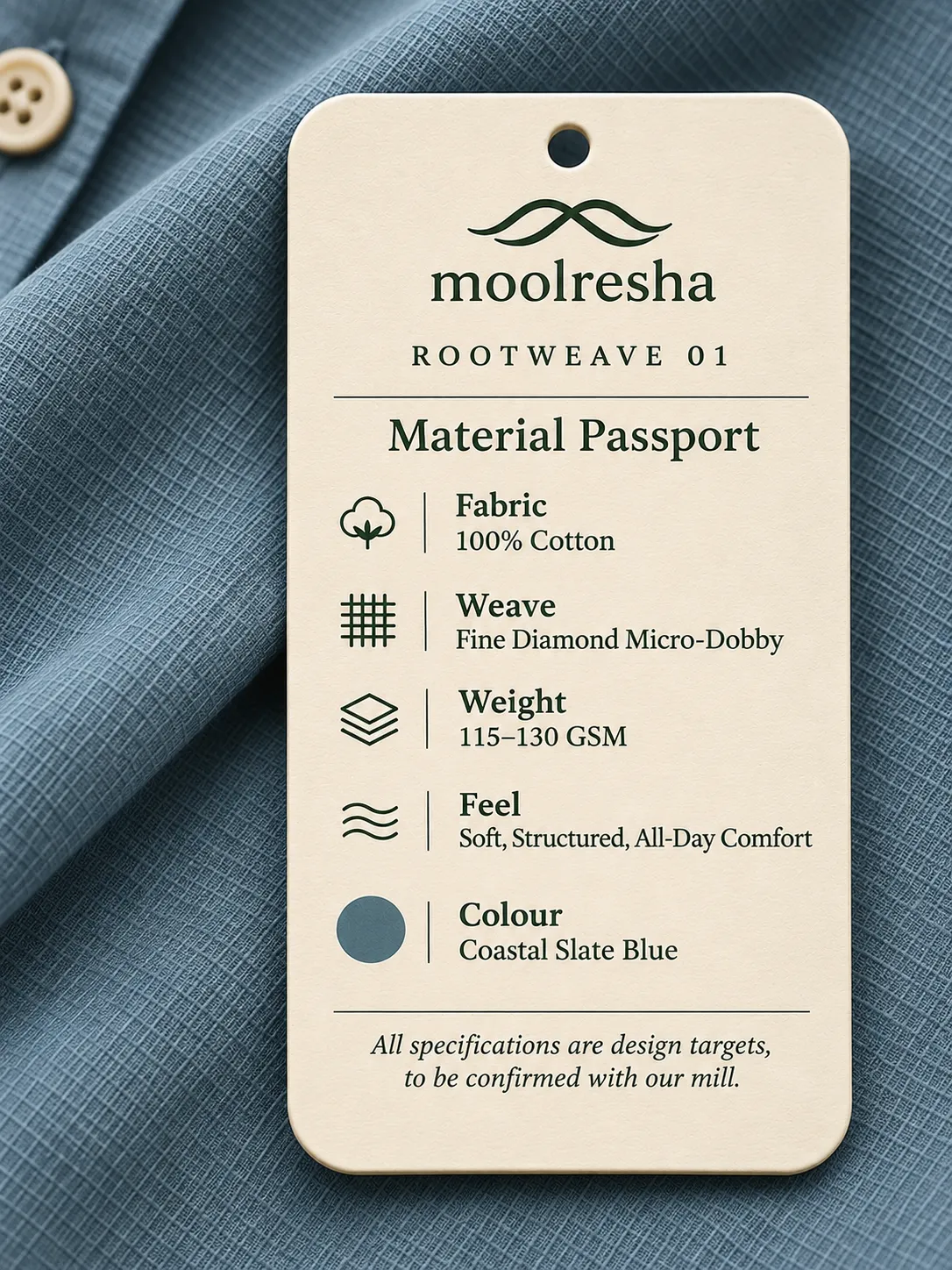
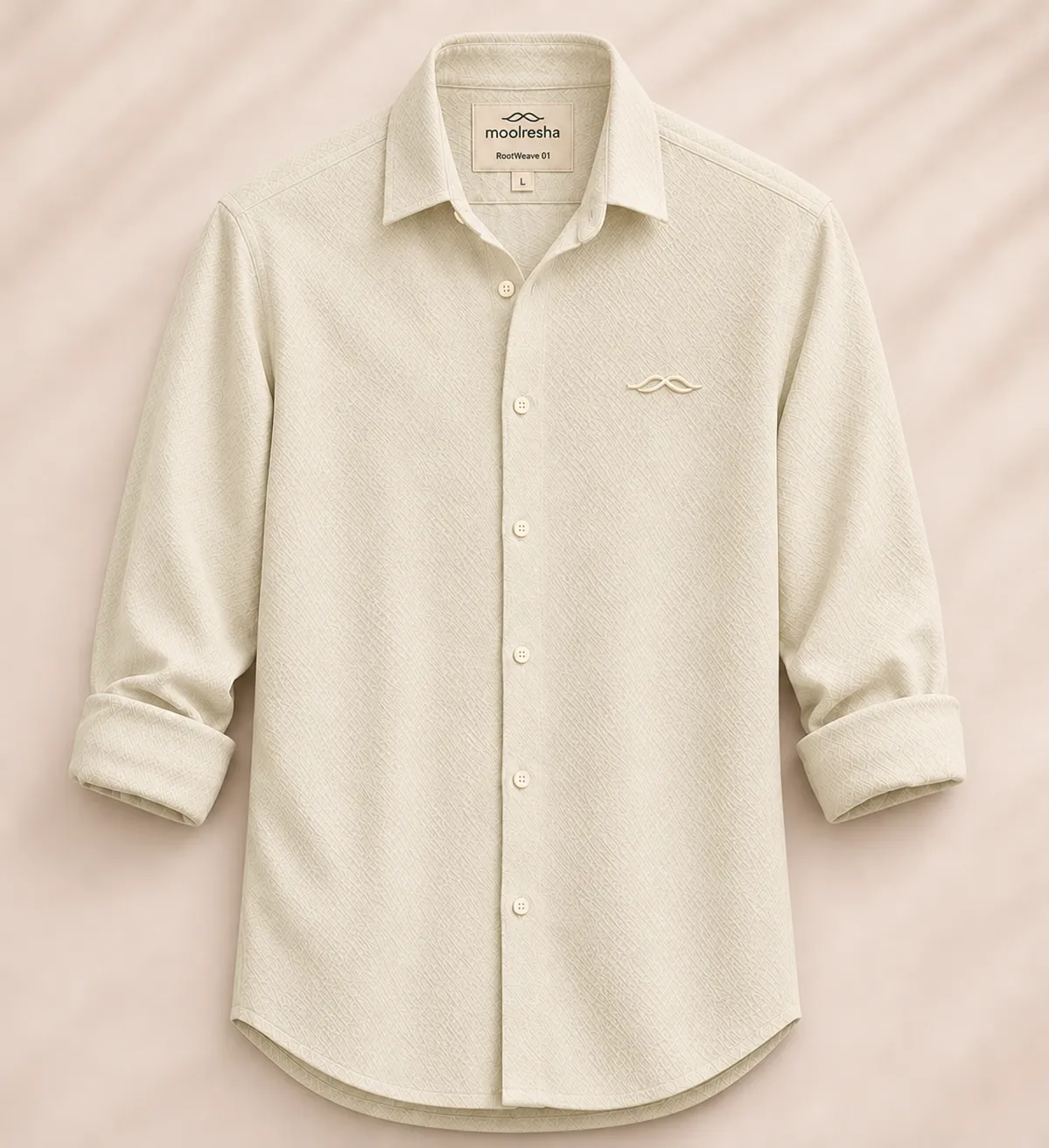
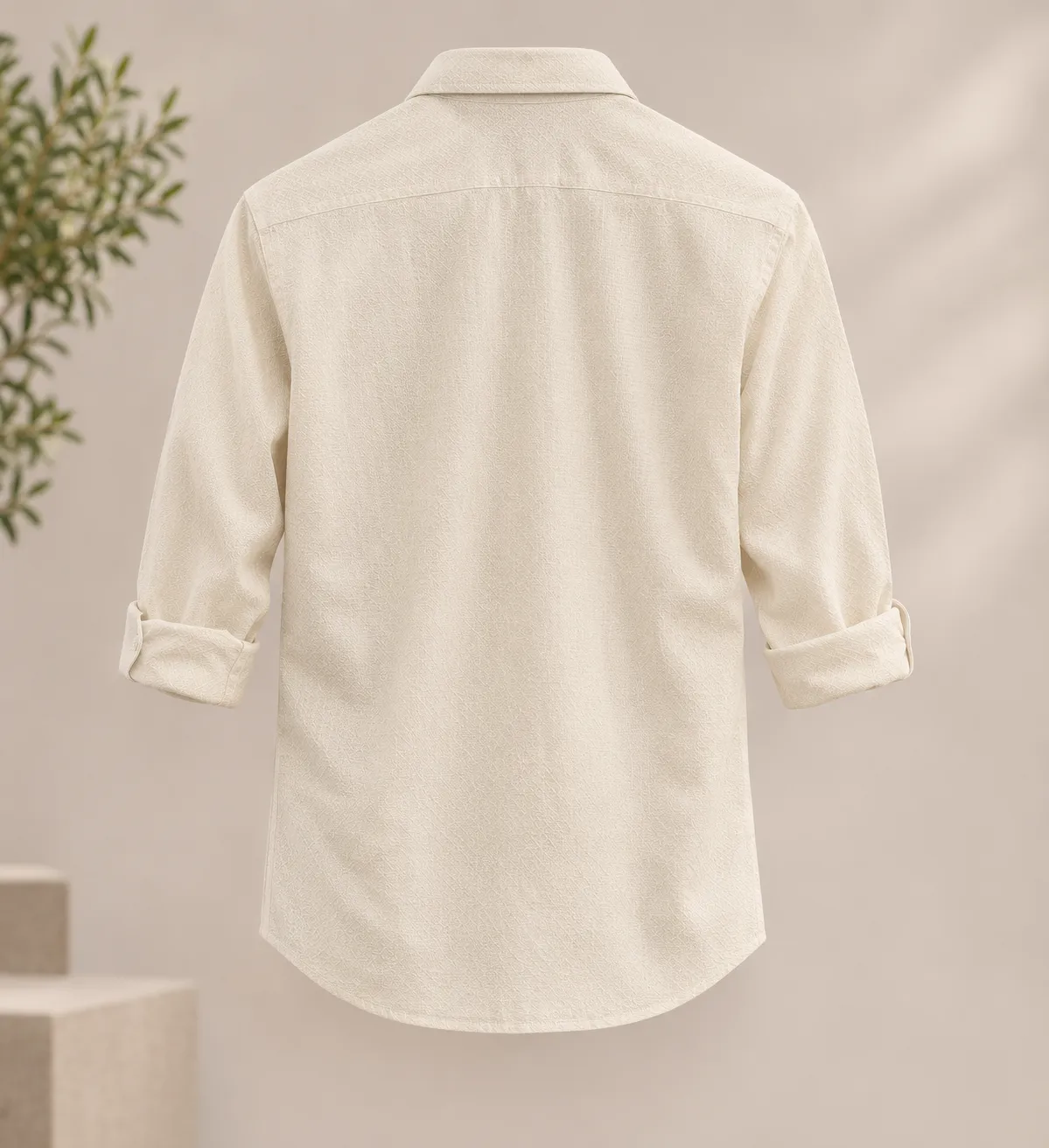
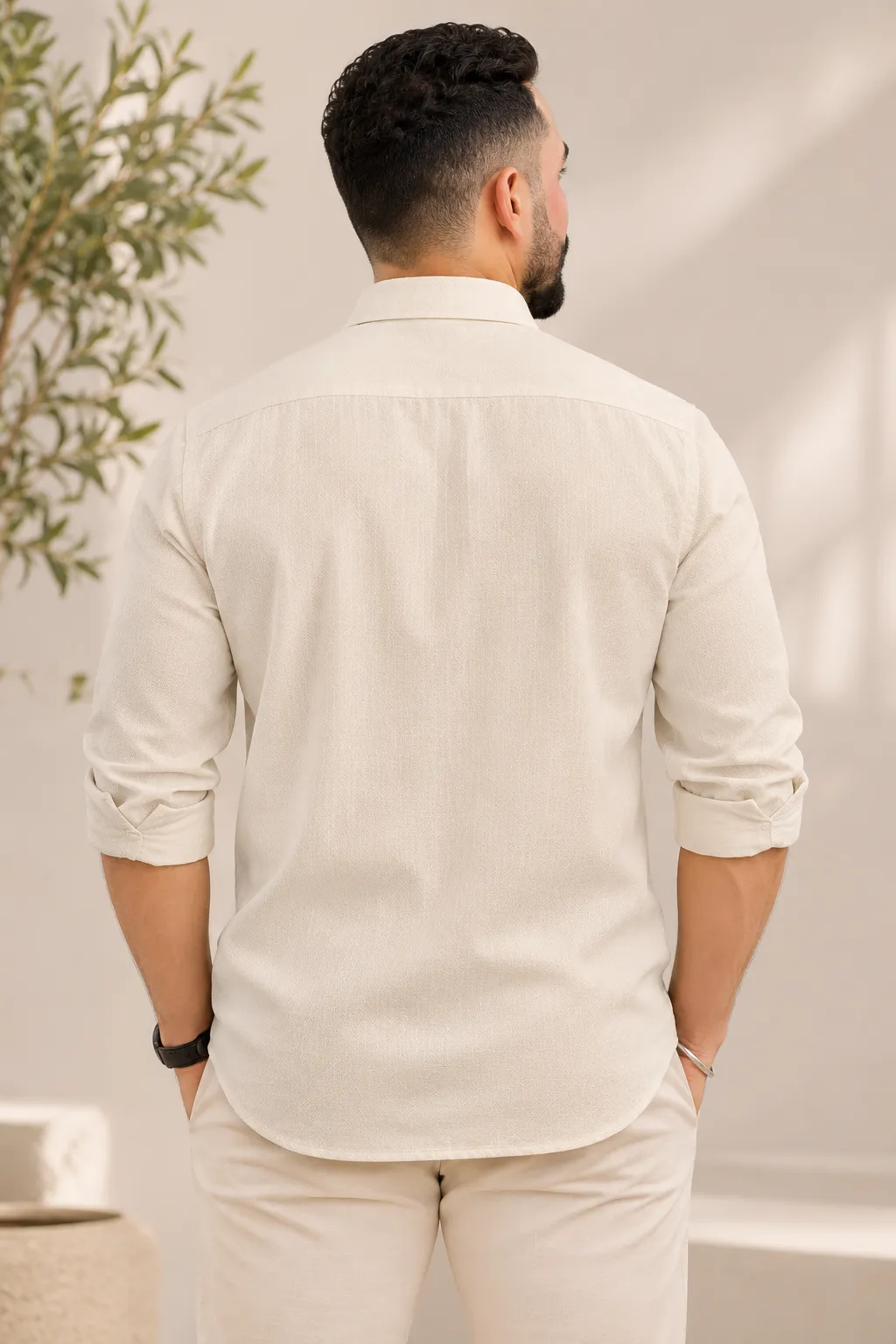
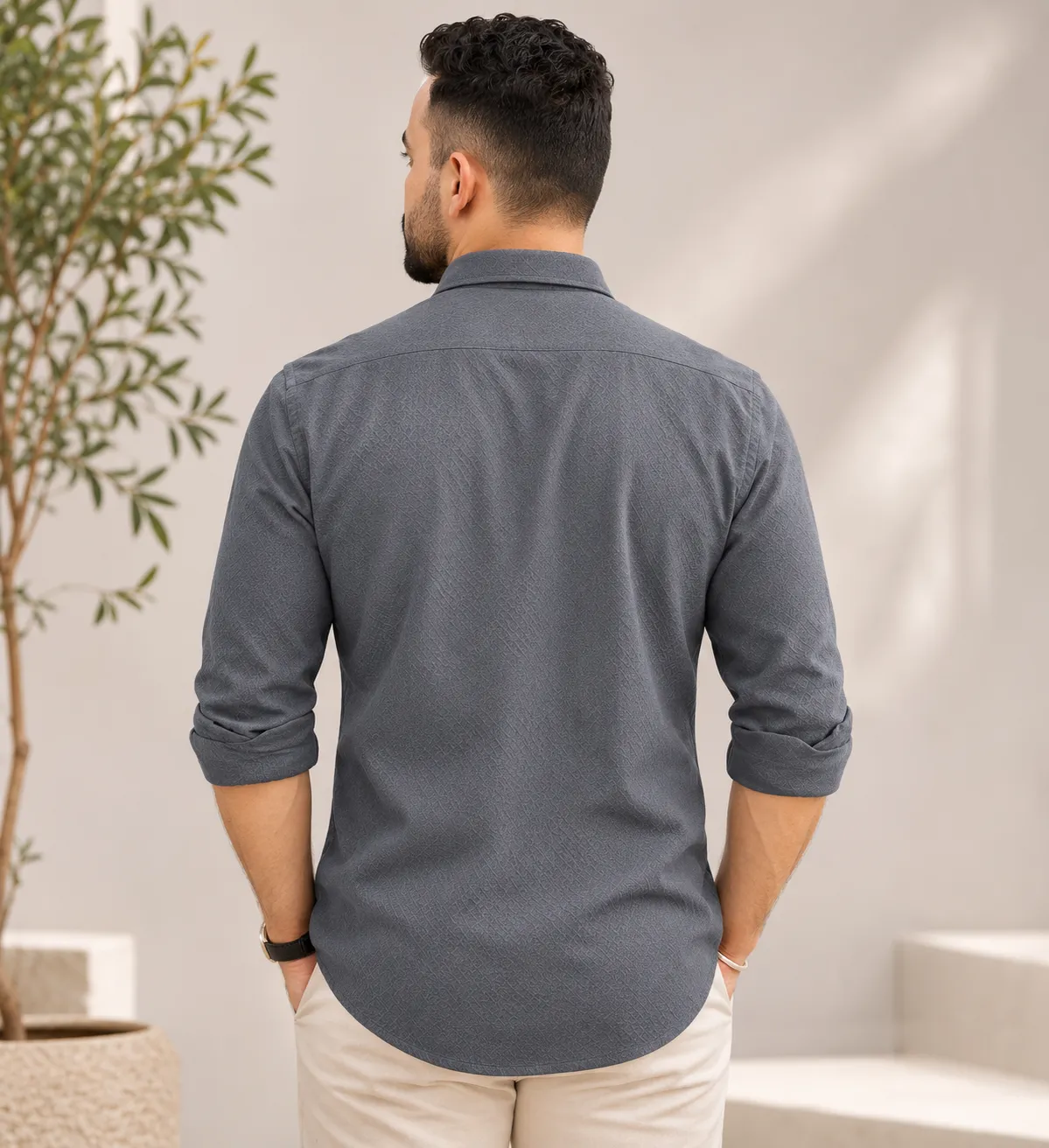
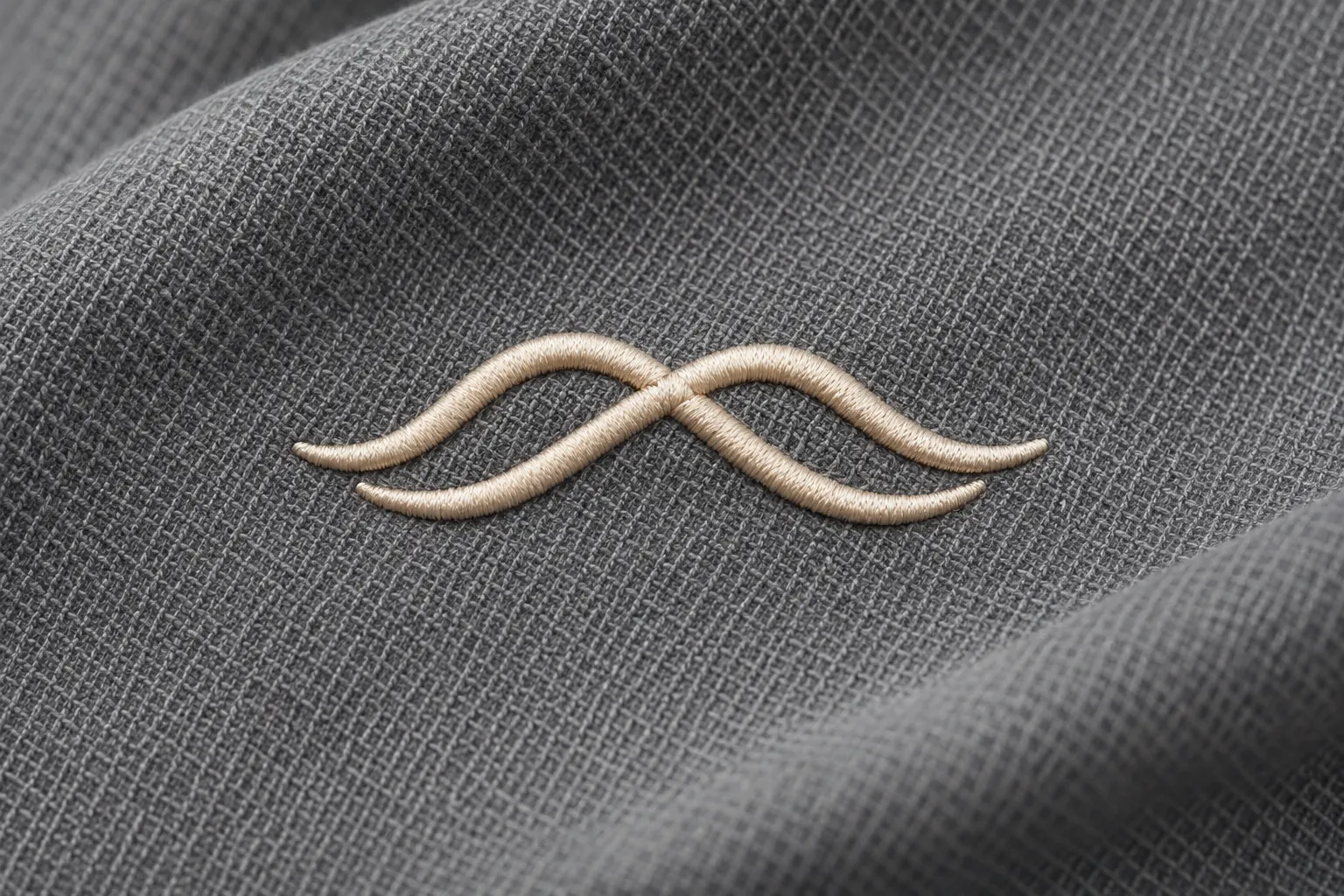
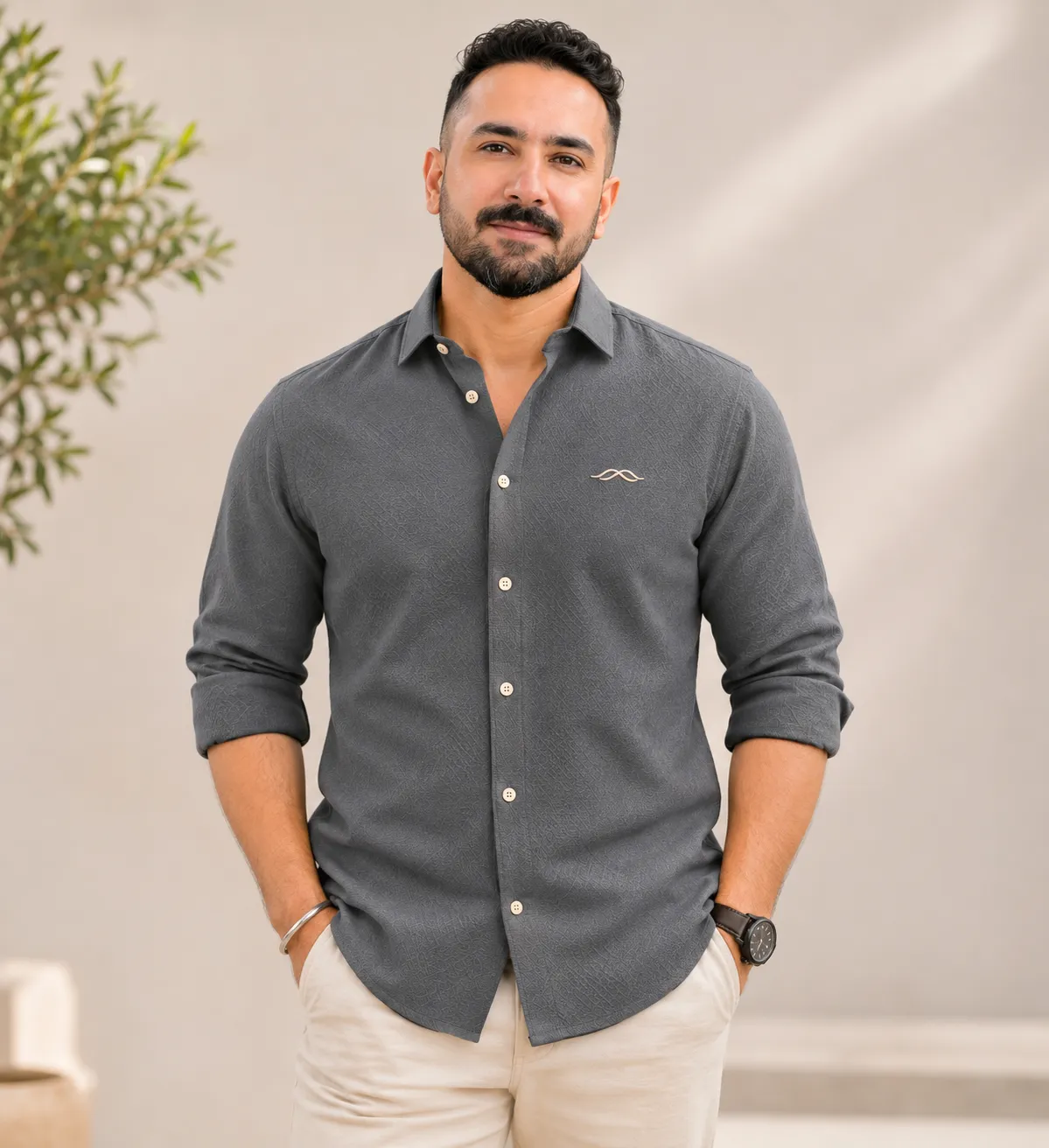
Men's textured cotton shirt

View the design
Design coming soon: Men's cotton-linen blend shirt

Concept 02

Men's cotton-linen blend shirt

View the design
Design coming soon: Men's 100% linen shirt

Concept 03

Men's 100% linen shirt

View the design
Design coming soon: Men's relaxed cotton pant

Concept 04

Men's relaxed cotton pant

View the design
Design coming soon: Women's relaxed cotton co-ord set

Concept 05

Women's relaxed cotton co-ord set

View the design

Concept 02Concept, not for sale

Men's cotton-linen blend shirt

Design coming soon: Men's cotton-linen blend shirt
AI design render, not a photo of a finished garment

Front, 1 of 1

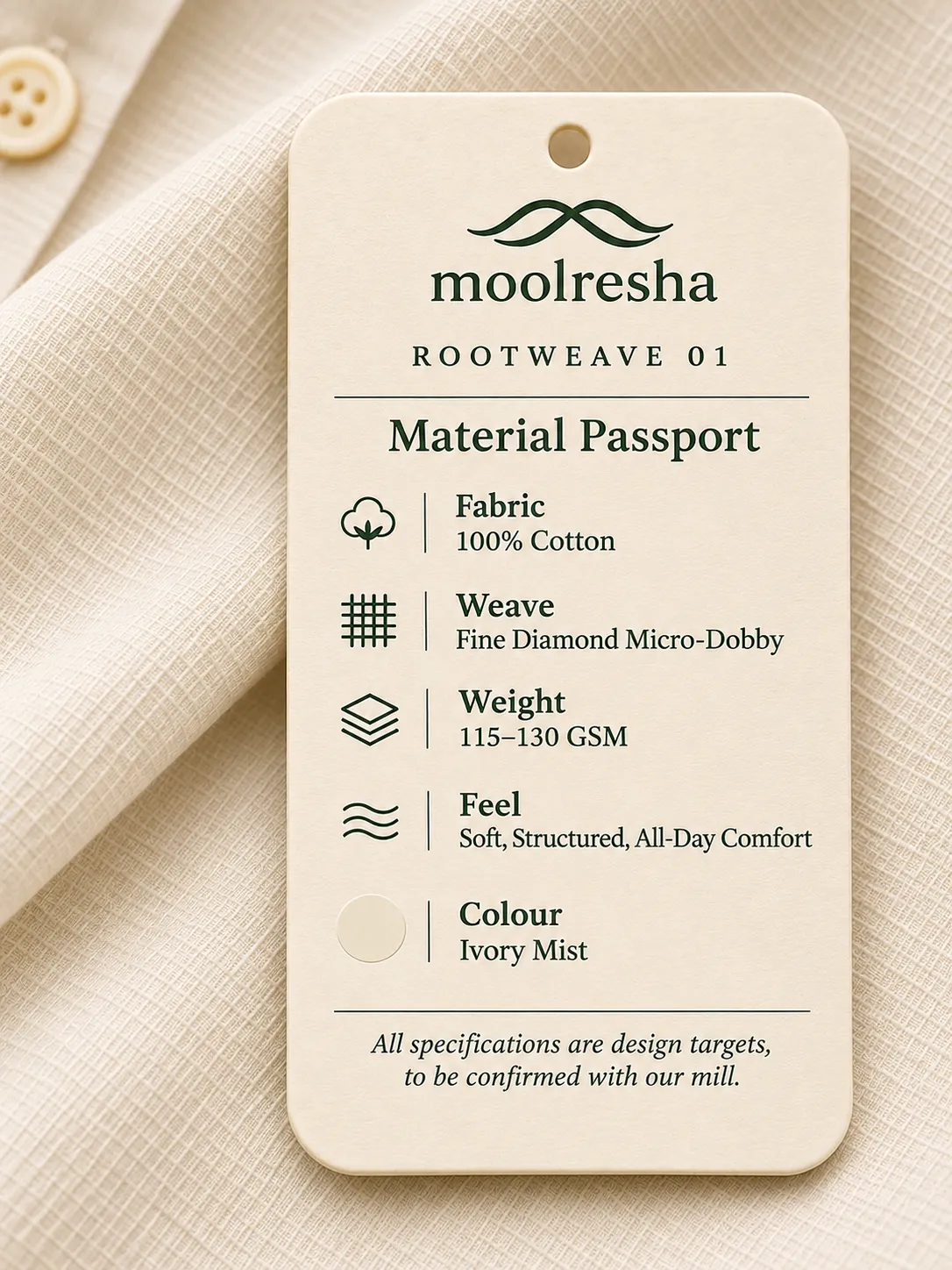
Fabric & Fibre

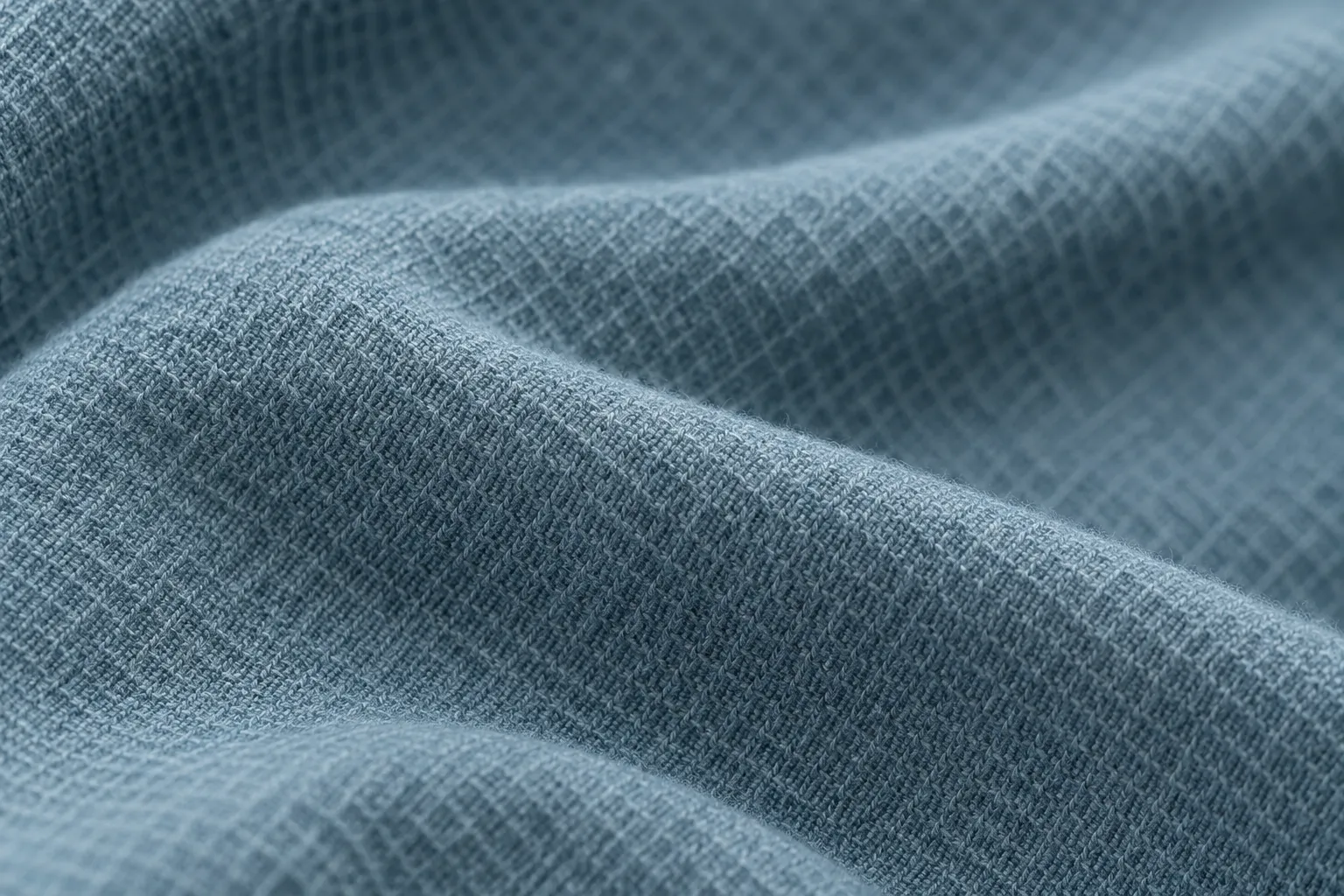
Fabric notes

Composition
60% cotton, 40% linen
Weave
Plain weave with a light slub texture
Weight
Light weight (target range, to be confirmed with our mill)
Hand feel
Dry and textured, relaxing with washing
Softness
Aimed at a softer hand than pure linen; we will check it after repeated washes
Care
Machine wash cold on a gentle cycle, dry in shade, warm iron
Quality & Care

Quality

Fibre
Cotton and linen blend, ratio to be confirmed TargetTarget spec, to be confirmed with our mill
Yarn
Blended cotton and linen yarn, count to be confirmed with our mill 30s–50s count TargetTarget spec, to be confirmed with our mill
Fabric
Plain weave, light weight with a light slub texture 120–150 GSM TargetTarget spec, to be confirmed with our mill
On your skin
Dry, airy hand feel that breathes in warm weather TargetTarget spec, to be confirmed with our mill
Shrinkage
Pre-washed to limit shrinkage We'll testWhat we'll test: length and width after five home washes. What we'll publish: the measurements, garment by garment.
After a year of washing
Colour, creasing and seams over time We'll testWhat we'll test: colour, pilling and seams after repeated washes. What we'll publish: photos after each round of washing.
Care
Machine wash cold on a gentle cycle, dry in shade TargetTarget spec, to be confirmed with our mill

Verified results

We have not tested physical samples yet. Once we do, we will publish the measured GSM, shrinkage after wash testing, colour-fastness and air permeability results here.

Your view

Would you wear it?
What would you change? Optional
Which colour do you prefer? Optional
What matters most to you? Optional
If you knew exactly what went into it (fibre, yarn, fabric, stitching), what would you pay?

See what similar pieces cost
Similar pieces from popular brands online and in malls: about ₹1,200–2,900 MoolResha market scanMethod: 3 listings, seen 5 Jan 2026 to 11 Jan 2026, from online marketplaces, brand sites and mall high-street

Prices vary within every brand and change often.
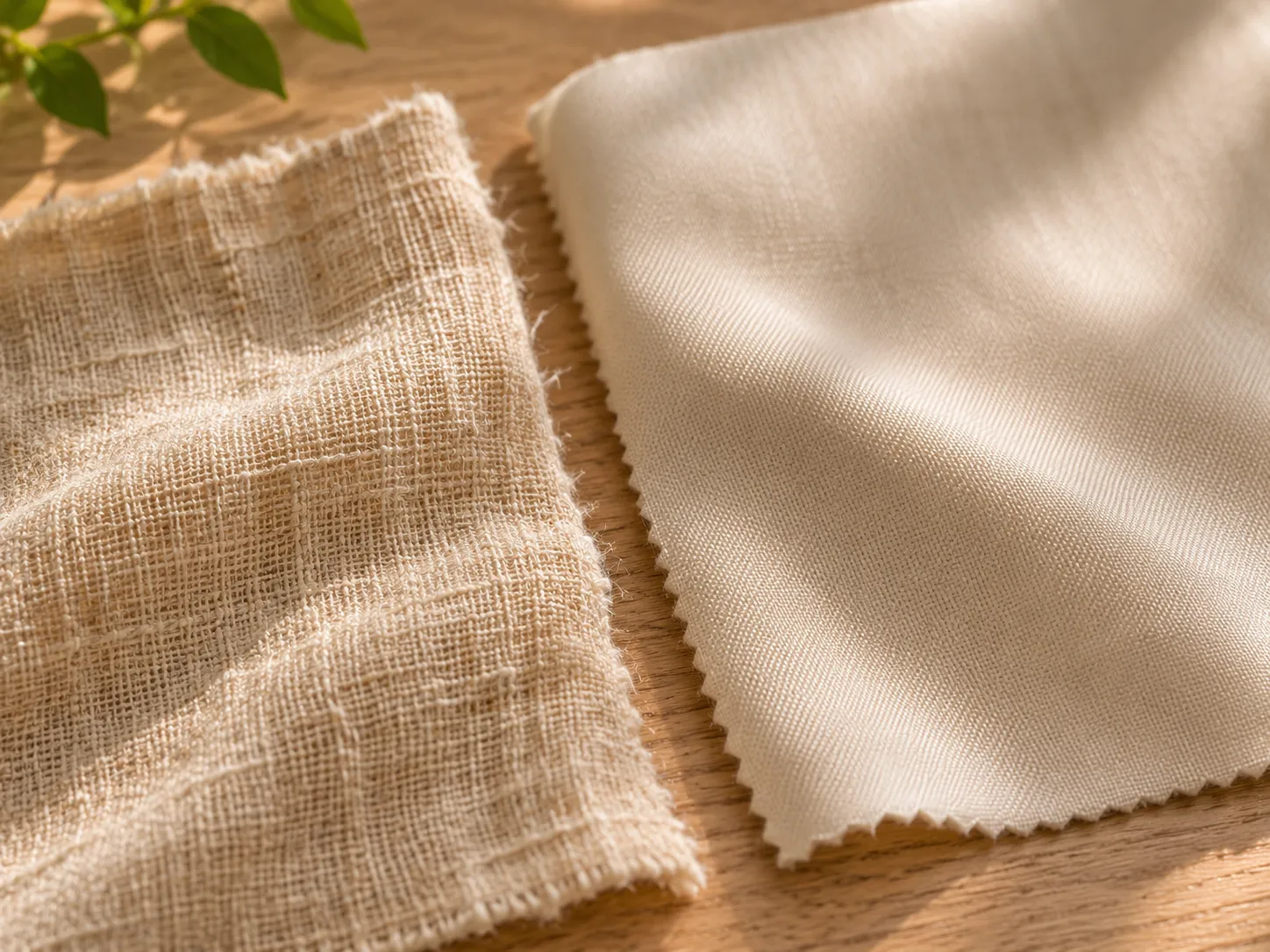
Concept 03Concept, not for salePlanned for a later release

Men's 100% linen shirt

Design coming soon: Men's 100% linen shirt
AI design render, not a photo of a finished garment

Front, 1 of 1

Fabric & Fibre

Fabric notes

Composition
100% linen
Weave
Plain weave with a visible slub texture
Weight
Light to mid weight (target range, to be confirmed with our mill)
Hand feel
Dry and textured, softening with washing
Softness
Linen starts crisper than cotton and softens with washing; we will check how it feels after repeated washes
Care
Machine wash cold on a gentle cycle, dry in shade, iron damp if you want a smooth finish
Quality & Care

Quality

Fibre
100% linen, no blended fibres TargetTarget spec, to be confirmed with our mill
Yarn
Linen yarn, count to be confirmed with our mill 20s–40s count TargetTarget spec, to be confirmed with our mill
Fabric
Plain weave, light to mid weight with a slub texture 120–160 GSM TargetTarget spec, to be confirmed with our mill
On your skin
Dry, airy hand feel that breathes in warm weather TargetTarget spec, to be confirmed with our mill
Shrinkage
Pre-washed to limit shrinkage We'll testWhat we'll test: length and width after five home washes. What we'll publish: the measurements, garment by garment.
After a year of washing
Colour, creasing and seams over time We'll testWhat we'll test: colour, pilling and seams after repeated washes. What we'll publish: photos after each round of washing.
Care
Machine wash cold on a gentle cycle, dry in shade TargetTarget spec, to be confirmed with our mill

Verified results

We have not tested physical samples yet. Once we do, we will publish the measured GSM, shrinkage after wash testing, colour-fastness and air permeability results here.

Your view

Would you wear it?
What would you change? Optional
Which colour do you prefer? Optional
What matters most to you? Optional
If you knew exactly what went into it (fibre, yarn, fabric, stitching), what would you pay?

See what similar pieces cost
Similar pieces from popular brands online and in malls: about ₹1,500–3,400 MoolResha market scanMethod: 3 listings, seen 5 Jan 2026 to 11 Jan 2026, from online marketplaces, brand sites and mall high-street

Prices vary within every brand and change often.
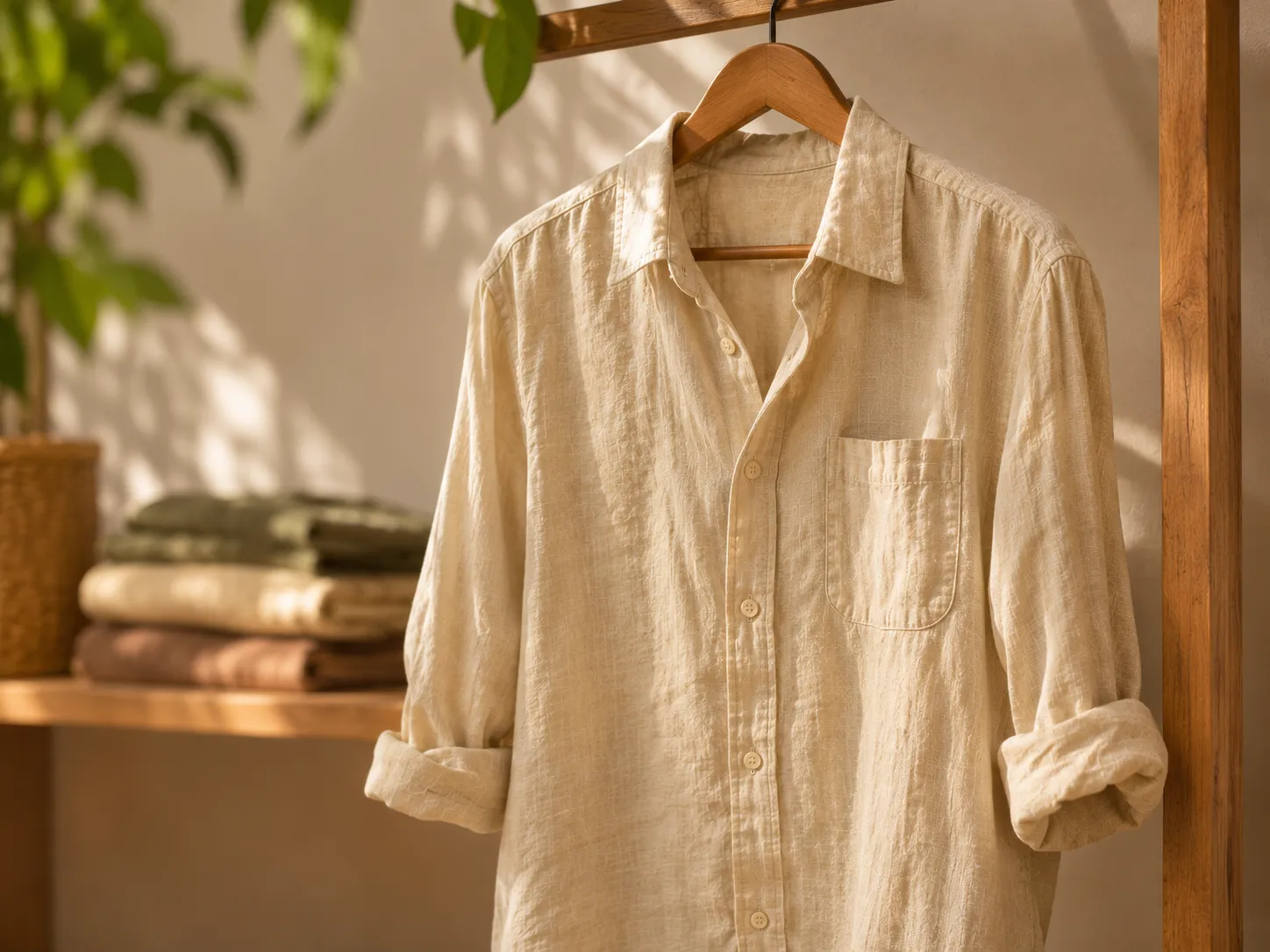
Concept 04Concept, not for sale

Men's relaxed cotton pant

Design coming soon: Men's relaxed cotton pant
AI design render, not a photo of a finished garment

Front, 1 of 1

Fabric & Fibre

Fabric notes

Composition
100% cotton
Weave
Cotton twill
Weight
Mid weight (target range, to be confirmed with our mill)
Hand feel
Smooth and slightly firm, easing with wear
Softness
Aimed at a soft hand feel; we will check it after repeated washes
Care
Machine wash cold, dry in shade, warm iron
Quality & Care

Quality

Fibre
100% cotton, no blended fibres TargetTarget spec, to be confirmed with our mill
Yarn
Cotton yarn, count to be confirmed with our mill 20s–40s count TargetTarget spec, to be confirmed with our mill
Fabric
Twill weave, mid weight 160–200 GSM TargetTarget spec, to be confirmed with our mill
On your skin
Smooth hand feel with a relaxed fit that moves with you TargetTarget spec, to be confirmed with our mill
Shrinkage
Pre-washed to limit shrinkage We'll testWhat we'll test: length and width after five home washes. What we'll publish: the measurements, garment by garment.
After a year of washing
Colour, pilling and seams over time We'll testWhat we'll test: colour, pilling and seams after repeated washes. What we'll publish: photos after each round of washing.
Care
Machine wash cold, dry in shade TargetTarget spec, to be confirmed with our mill

Verified results

We have not tested physical samples yet. Once we do, we will publish the measured GSM, shrinkage after wash testing, colour-fastness and air permeability results here.

Your view

Would you wear it?
What would you change? Optional
Which colour do you prefer? Optional
What matters most to you? Optional
If you knew exactly what went into it (fibre, yarn, fabric, stitching), what would you pay?

See what similar pieces cost
Similar pieces from popular brands online and in malls: about ₹1,100–2,700 MoolResha market scanMethod: 3 listings, seen 5 Jan 2026 to 11 Jan 2026, from online marketplaces, brand sites and mall high-street

Prices vary within every brand and change often.
Concept 05Concept, not for sale

Women's relaxed cotton co-ord set

Design coming soon: Women's relaxed cotton co-ord set
AI design render, not a photo of a finished garment

Front, 1 of 1

Fabric & Fibre

Fabric notes

Composition
100% cotton
Weave
Plain weave
Weight
Light to mid weight (target range, to be confirmed with our mill)
Hand feel
Smooth and soft, with an easy drape
Softness
Aimed at a soft hand feel; we will check it after repeated washes
Care
Machine wash cold, dry in shade, warm iron
Quality & Care

Quality

Fibre
100% cotton, composition to be confirmed TargetTarget spec, to be confirmed with our mill
Yarn
Cotton yarn, count to be confirmed with our mill 40s–60s count TargetTarget spec, to be confirmed with our mill
Fabric
Plain weave, light to mid weight 120–150 GSM TargetTarget spec, to be confirmed with our mill
On your skin
Smooth, soft hand feel that breathes in warm weather TargetTarget spec, to be confirmed with our mill
Shrinkage
Pre-washed to limit shrinkage We'll testWhat we'll test: length and width of the top and the pant after five home washes. What we'll publish: the measurements, garment by garment.
After a year of washing
Colour, pilling and seams over time We'll testWhat we'll test: colour, pilling and seams after repeated washes. What we'll publish: photos after each round of washing.
Care
Machine wash cold, dry in shade TargetTarget spec, to be confirmed with our mill

Verified results

We have not tested physical samples yet. Once we do, we will publish the measured GSM, shrinkage after wash testing, colour-fastness and air permeability results here.

Your view

Would you wear it?
What would you change? Optional
Which colour do you prefer? Optional
What matters most to you? Optional
If you knew exactly what went into it (fibre, yarn, fabric, stitching), what would you pay?

See what similar pieces cost
Similar pieces from popular brands online and in malls: about ₹1,600–3,500 MoolResha market scanMethod: 3 listings, seen 5 Jan 2026 to 11 Jan 2026, from online marketplaces, brand sites and mall high-street

Prices vary within every brand and change often.
How we check this

Each line of a Quality card carries one tag. The tag tells you how sure we are.

FACT
Checked against a published source. The link shows who said it and when.
Target
What we're asking our mill for. It isn't confirmed until we test the fabric, so we show a range, not one exact number.
We'll test
Something we'll measure ourselves, such as shrinkage or colour after washing. We'll publish the results and photos, whatever they show.

Why the details matter.

Three things people tell us they look for in a shirt: how it feels, how easy it is to look after, and how long it lasts.

Last updated:

What a fibre choice actually costs — on you, and after you're done with it.

A fibre is a material decision, not just a feel decision. Here's what two widely-marketed shortcuts actually hold up to, each with the sourced study behind it.

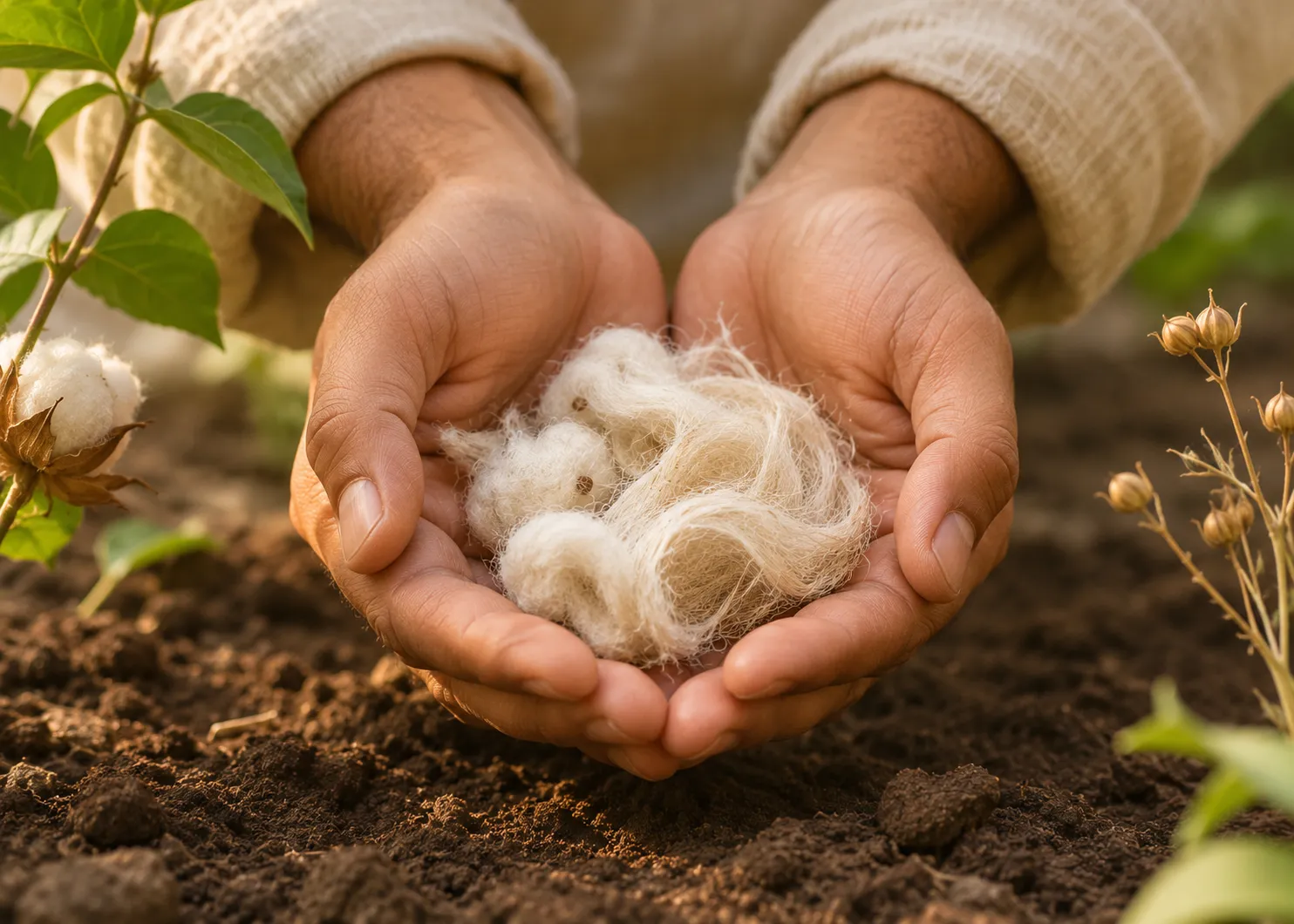
Hands cradling a loose tuft of raw natural fibre, held low over bare soil.

The one thing that doesn't need debatingA natural or plant-based fibre — cotton, linen, responsibly made cellulosics — breaks down back into the soil through ordinary biology. A synthetic fibre, recycled or not, is a plastic polymer that structurally can't. That part isn't in dispute. Everything else about a fibre — how it's grown, dyed and finished — still has to be checked, label by label, not assumed.

Research backed by Cotton Incorporated and Cornell University found that after 90 days in a commercial composting facility, cotton fabric had lost 55 to 77% of its weight, while polyester showed only slow degradation and stayed largely intact. INDUSTRY CLAIM CottonWorks (Cotton Incorporated), citing Li, Frey & Browning, Cornell University (2010), 2010 study (opens in a new tab)

Last updated:

07 — Your voice

What frustrates you about the clothes you buy?

Tick as many as apply. You do not need to give a name, an email or a number to answer.

Your biggest clothing frustrations

What others have said so far

Totals only. No answers from any one person are shown.

Results load here.